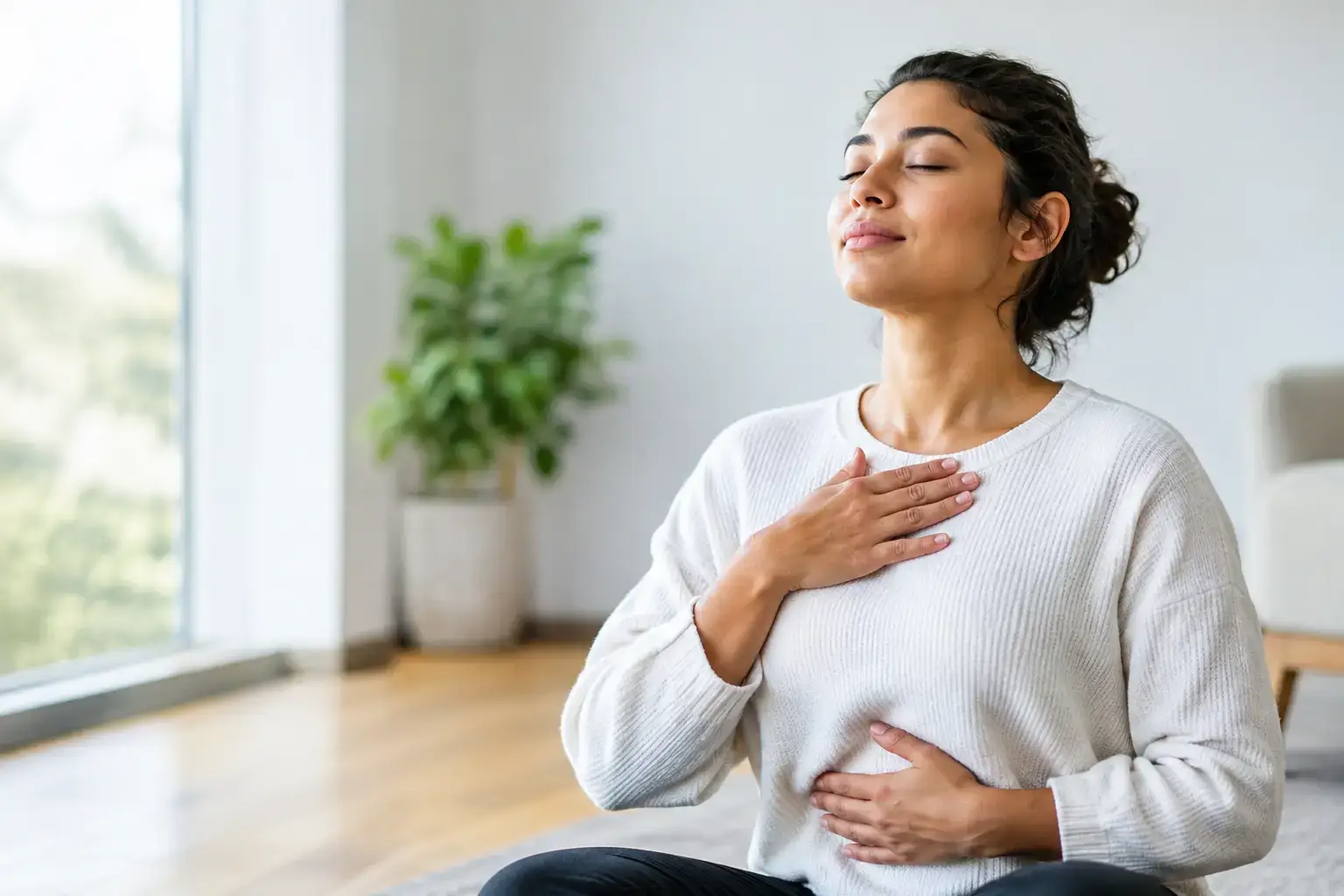
A Hawaiian breathwork method review should look beyond whether a session feels powerful in the moment. For a wellness professional, the real question is whether the method helps you hold meaningful transformation with care, clarity and professional confidence. A moving experience matters, but it is only the beginning of becoming someone others can safely trust with their breath, emotions and stories.
Hawaiian-inspired breathwork often speaks to people who are seeking more than another technique to add to a timetable. It offers a heart-led way of working with the body, emotion, intention and connection. For yoga teachers, therapists-in-training, bodyworkers, coaches and retreat leaders, that can be a deeply resonant path – provided the training honours both the depth of the work and the responsibility that comes with facilitating it.
Hawaiian breathwork method review: what is the approach?
The phrase can mean different things depending on the teacher and lineage. Broadly, Hawaiian-inspired breathwork draws on the values of aloha, connection, presence and the life-giving nature of breath. Rather than treating breath purely as a performance tool or a route to catharsis, the approach centres the relationship between breath, heart, body and community.
At Nalu Breathwork®, the method includes conscious circular breathing alongside three distinct practices: Ha Breath, Wave Breath and Healing Heart Breath. Each offers a different doorway into the experience. A breath pattern may support energising the body, settling into flow, or meeting emotional material with tenderness. The value is not in forcing a particular outcome. It is in giving the breather an intentional container in which their own inner wisdom has room to speak.
This is one reason the method can feel different from a standard meditation class or a fast-paced fitness breath practice. The breath is used to create movement – physically, emotionally and spiritually – while the facilitator remains present to what is actually unfolding. There may be release, insight, stillness, grief, joy or simply a greater sense of being at home in the body. No one response is the benchmark of a ‘good’ session.
The heart-led element
A heart-led approach can be especially valuable for practitioners whose clients are tired of always having to analyse their experiences. Talking therapies and coaching can be profoundly supportive, yet some people also need a body-based space where feeling is allowed without needing an immediate explanation.
That said, heart-centred does not mean vague. A skilled facilitator still gives clear instructions, obtains informed consent, checks in, manages the pace of the session and offers appropriate integration. Warmth without structure can leave people feeling uncontained. Structure without warmth can make a session feel mechanical. The art is holding both.
What makes a method worth learning?
For anyone considering breathwork certification, the quality of facilitation training matters as much as the method itself. It is easy to be inspired by a personal session and assume that leading one will come naturally. In reality, group dynamics, emotional release, trauma responses and physical contraindications require thoughtful preparation.
A worthwhile training should teach more than a breathing sequence. Look for a clear framework for opening and closing sessions, assessing readiness, creating a supportive environment and adapting your approach for one-to-one clients, couples and groups. You need to understand when to encourage someone to stay with an experience, when to offer grounding, and when breathwork is not appropriate for that person on that day.
Professional readiness also matters. If you want to run paid sessions, workshops, retreats, festivals or sacred circles, ask practical questions about certification, scope of practice, insurance eligibility and client communication. A training can be spiritually expansive and commercially useful at the same time. In fact, becoming more confident in the practical side often gives you greater freedom to serve your soul tribe with integrity.
Safety is not an optional extra
Conscious connected breathing can bring up strong physical sensations and emotions. Tingling, temperature changes, tears, laughter and altered states of awareness may occur. These experiences are not automatically harmful, but they do require competent space-holding and clear screening.
A responsible facilitator does not diagnose, promise to heal trauma or suggest that breathwork replaces medical or mental health care. They explain possible responses beforehand, invite participants to make choices throughout, and know how to offer calming, grounding alternatives. They also recognise that some health conditions, pregnancy, recent surgery, severe mental health symptoms or certain medications may mean a person needs medical guidance or a different practice.
For professionals already working in wellbeing, this boundary is a strength, not a limitation. It builds trust. Your clients do not need you to be everything to them. They need you to be skilled, compassionate and honest about what you can safely hold.
Cultural care matters in Hawaiian-inspired practice
The word ‘Hawaiian’ deserves more than a beautiful backdrop of ocean imagery and island language. Hawaii has living cultures, histories and spiritual traditions that should be approached with humility. A method described as Hawaiian-inspired should be transparent about what it draws from, who has shaped it and where its limits lie.
For a facilitator, cultural respect means avoiding claims that you are teaching an ancient Hawaiian practice unless that is genuinely supported by the lineage and teaching. It means pronouncing and using Hawaiian words carefully, resisting exoticised marketing, and keeping the focus on service rather than borrowed identity. The purpose is connection, not costume.
This care does not make the work less meaningful. It makes it more grounded. When a training shares its origins openly and invites reverence rather than ownership, students can receive the inspiration of the practice while staying respectful of the culture that informs it.
Who may benefit most?
This approach is likely to resonate with practitioners who want to blend emotional depth with a clear session structure. A yoga teacher may use it to create more intentional workshops. A coach may find it helps clients move out of overthinking and into felt experience. A massage therapist or bodyworker may appreciate a complementary modality that honours the body’s capacity to communicate. Retreat leaders may value a practice that can create genuine connection without requiring participants to share more than they wish to.
It also suits purpose-driven people starting a new chapter. You do not have to arrive as an experienced healer to feel called towards facilitation, but you do need a willingness to practise, receive feedback and continue your own inner work. Certification is not a finish line. It is a commitment to becoming a steadier, more attuned guide.
The method may be less suitable if you are looking for a quick qualification with no personal exploration, or if your priority is a highly clinical, protocol-only approach. Breathwork sits in a relational space. Presence cannot be downloaded. It is cultivated through practice, supervision, humility and experience.
The real measure of a powerful breathwork training
The best question is not, ‘Will this make me feel something extraordinary?’ It is, ‘Will this help me become someone who can meet another human being with skill and heart?’ A strong Hawaiian-inspired breathwork training should leave you with practical tools, a felt understanding of the practice and the confidence to lead without pretending to have all the answers.
If you feel called to bring more peace, freedom and emotional honesty into your work, let that calling be paired with discernment. Choose training that respects the breath, respects culture and respects the people who will one day place their trust in your hands. That is where a meaningful facilitation path begins.