If you are choosing between breathwork training versus pranayama, you are probably not just comparing breathing styles. You are feeling into a bigger question – what kind of practice do I want to offer, what kind of space do I want to hold, and what kind of transformation am I here to support?
For many conscious souls, both paths feel meaningful. Both honour the breath as medicine. Both can help people regulate, reconnect and return to themselves. But they are not the same thing, and understanding the difference matters if you want to train with clarity, integrity and confidence.
Breathwork training versus pranayama: what is the real difference?
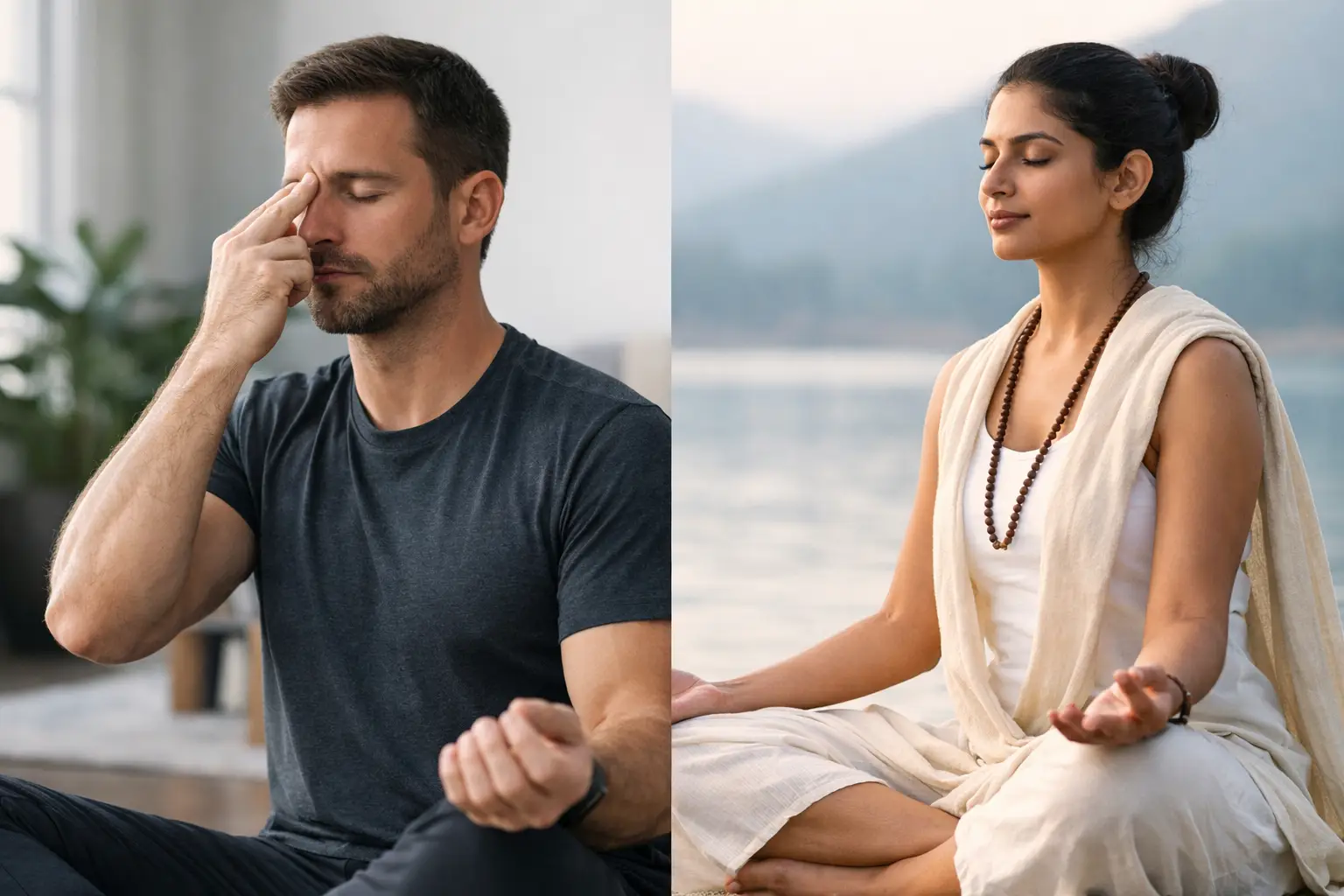
At the simplest level, pranayama is a traditional yogic discipline rooted in ancient India. It sits within a broader spiritual system and includes a wide range of breath practices designed to influence energy, focus, nervous system state and meditative awareness. In many settings, pranayama is taught as part of yoga teacher training or personal spiritual practice.
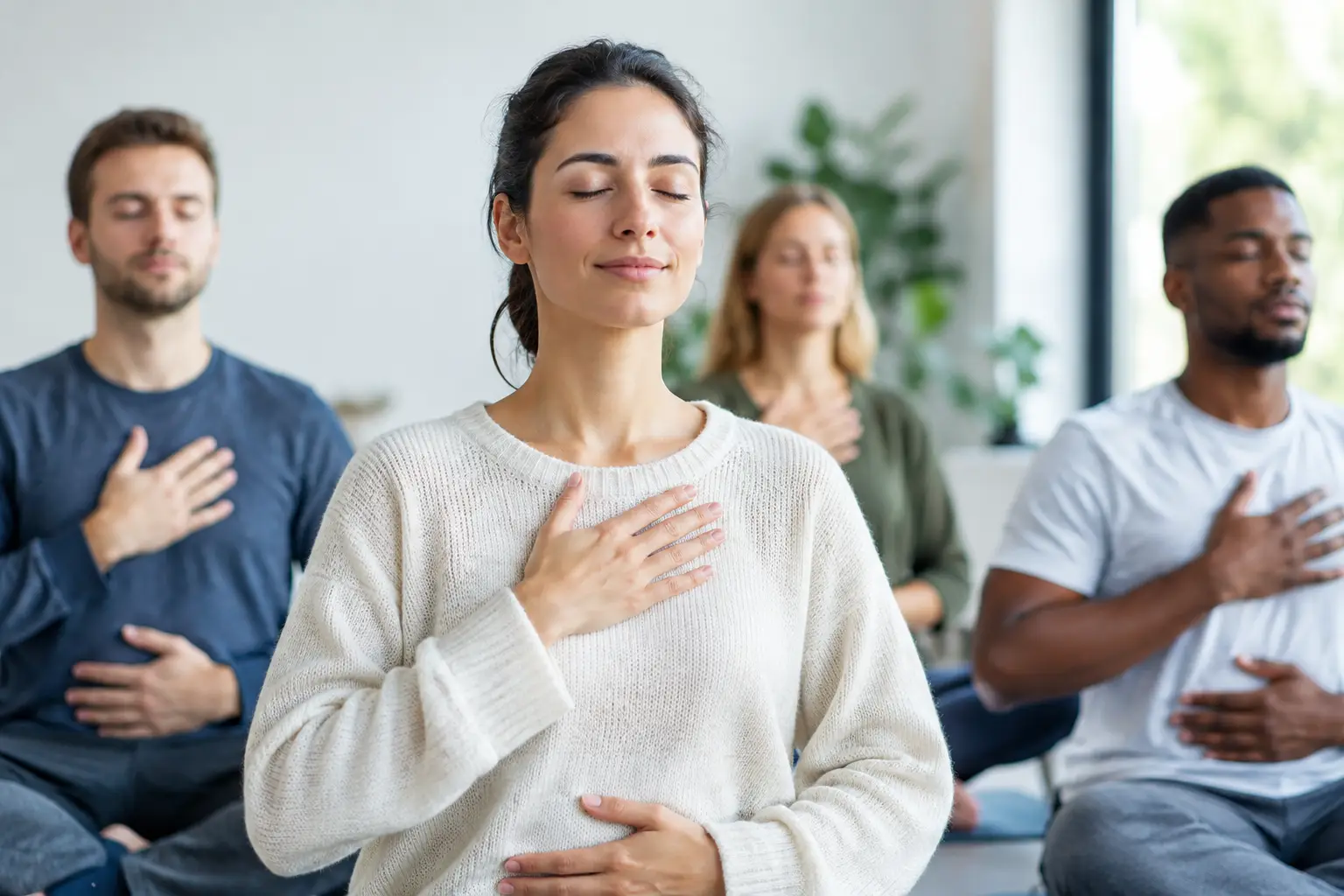
Breathwork training, by contrast, is usually a modern facilitation pathway. It tends to focus not only on breathing techniques, but on how to guide others through a complete experience. That may include emotional release, nervous system regulation, trauma-aware space holding, music, body awareness, integration and practitioner ethics. The emphasis is often less on personal breath discipline alone and more on leading safe, transformative sessions for others.
That distinction matters. If you want to deepen your own inner practice, pranayama may be a beautiful path. If you feel called to hold one-to-one sessions, couples sessions, circles, workshops or retreats, a dedicated breathwork training is often the more direct and professionally relevant route.
Different roots, different intentions
Pranayama comes from a sacred lineage. Traditionally, it is not simply a tool for stress relief. It is part of a much wider philosophy of life, consciousness and spiritual development. The breath practices themselves can range from gentle balancing techniques through to stronger energising methods, with a clear relationship to yogic study, devotion and meditation.
Modern breathwork training can also be deeply spiritual, but its structure is usually different. It is often designed around healing outcomes that people can feel in real time – release of stored emotion, increased vitality, improved self-awareness, deeper connection and a greater sense of peace. Some schools are strongly therapeutic. Others are more ceremonial. Some blend somatic practice, coaching and energetic work.
Neither is better in a universal sense. It depends on what you value and what you want to offer. If you are a yoga teacher wanting to honour a traditional practice within an existing yoga framework, pranayama may fit naturally. If you are a coach, bodyworker, therapist or retreat leader wanting a structured modality to facilitate profound experiences, breathwork training may be a more aligned next step.
Why the training experience feels so different
One of the biggest differences in breathwork training versus pranayama is not the breath itself, but the role of the practitioner.
In pranayama, the teacher often guides technique, rhythm, posture and attention. The aim may be to refine awareness, balance energy channels or prepare the student for meditation. It can be subtle, disciplined and highly intentional.
In breathwork facilitator training, you are usually learning how to hold a whole journey. That includes reading group energy, recognising signs of activation, supporting emotional processes, creating safety, setting clear boundaries and helping clients integrate afterwards. You are not only teaching people how to breathe. You are learning how to hold them through what the breath may open.
This is especially important if the style includes conscious connected or conscious circular breathing, which can bring strong emotional, physical and energetic responses. A short online tutorial is not the same as being trained to guide that responsibly. For practitioners who want to work professionally, depth of training is not a luxury. It is part of ethical practice.
Method matters more than labels
The word breathwork is broad. Very broad. It can describe calming nasal breathing, performance breathing, trauma-aware somatic work, ecstatic group journeys or simple wellbeing classes. That is why comparing pranayama with breathwork in general can become muddy.
A better question is this: what method are you actually being trained in, and what outcomes is that method designed to support?
Some breathwork schools teach a specific process with a clear facilitation framework. Others offer a looser introduction. The strongest trainings tend to be transparent about the breathing pattern, contraindications, scope of practice, ethics, session structure and who the work is for.
This is where discernment becomes essential. If your goal is to build a practice, you need more than inspiration. You need a methodology you can trust, language you can use with clients, and a training container that helps you embody both confidence and care.
Professional pathway versus personal study
Another practical difference is what happens after the training.
Pranayama study may enrich your teaching beautifully, especially if you already work in yoga or meditation. But it does not always lead to a clearly defined professional modality that can be offered as a standalone paid service. In many cases, it remains one part of a wider teaching toolkit.
A structured breathwork training is often designed with professional readiness in mind. That may include learning how to guide private sessions, couples sessions and groups, how to work within safe boundaries, how to sequence an experience and how to build an offer around the modality. Some certifications also support insurance eligibility, which matters if you intend to facilitate in a serious and sustainable way.
For purpose-led practitioners, this can be the turning point. The breath stops being just something you love and becomes something you can confidently share in service to others.
Safety, sensitivity and space holding
This is where nuance really matters. Both pranayama and breathwork can be powerful, but power without context can become careless.
Certain pranayama techniques can be stimulating and are not suitable for everyone at every time. Equally, deeper breathwork methods can bring up grief, trauma, anger, fear or long-held emotional material. That does not make them unsafe by nature, but it does mean the quality of the teacher or facilitator matters enormously.
If you are choosing a training, look beyond beautiful language. Ask whether the programme teaches contraindications, trauma awareness, nervous system literacy, consent, integration and the practical realities of holding space for different kinds of people. A heart-led path still needs structure. In fact, that structure is what allows the heart to lead safely.
For many in the wellness space, this is the deciding factor. They are not looking for another technique to collect. They are looking for a way to support real transformation without overstepping their competence.
Which path is right for you?
If your soul lights up around yoga philosophy, subtle energy, disciplined breath ratios and meditative depth, pranayama may be calling you. It can become a lifelong devotional practice and a refined teaching art.
If you are drawn to emotional healing, embodied release, transformation through experience and the ability to guide others through meaningful breath journeys, breathwork training may be the clearer fit.
And for some people, it is not either-or. A yoga teacher may study pranayama to deepen their roots, then train in a modern breathwork modality to expand their client work. A therapist may value pranayama personally, while choosing facilitator training that prepares them to hold breath-led healing sessions. The key is not to collapse these paths into one vague category. Each deserves respect for what it is.
Within heart-centred schools such as Nalu Breathwork, the emphasis is often on both healing and professional competence – learning to guide conscious circular breathing with care, while also working with distinct methods that bring depth, presence and emotional safety. For practitioners who want both spiritual integrity and a real-world pathway to serve, that balance can feel deeply aligned.
Breathwork training versus pranayama for wellness professionals
If you already support clients, the question becomes even more practical. What will genuinely complement your current work?
A yoga teacher may find pranayama fits beautifully into classes and private tuition. A massage therapist or coach may find standalone breathwork sessions easier to integrate into their business model. A retreat leader may want a modality that can be offered in groups with a clear beginning, middle and integration process. A therapist-in-training may be looking for a body-based approach that supports emotional processing while remaining within appropriate professional boundaries.
So ask yourself not only what inspires you, but what prepares you. Which training gives you the skills, scope and confidence to serve your people well?
The breath is sacred in both worlds. What changes is the container, the intention and the role you are stepping into. Choose the path that honours your lineage of learning, your professional ethics and the kind of healing work your heart is truly here to hold.