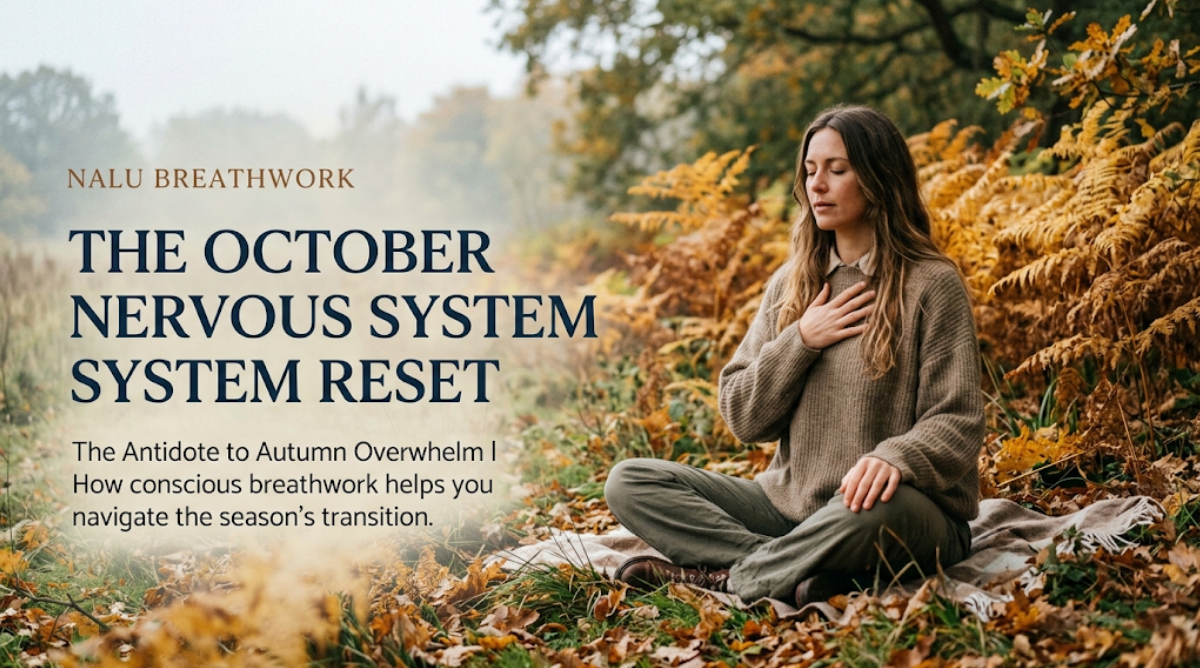
A breathwork retreat can look beautiful from the outside: a peaceful setting, a circle of open-hearted people, time away from the pace of ordinary life. Yet the real question is less about the location and more about what happens when you give your body, emotions and inner world room to be heard. Are breathwork retreats worthwhile? For many people, they can be a profound reset. But the value depends on the quality of facilitation, your readiness, and whether the experience serves your next true step.
For wellness professionals, coaches, therapists-in-training and conscious souls called to serve others, a retreat can offer something especially meaningful: not simply a personal experience of breathwork, but a felt understanding of what it takes to hold transformational space with care.
Are breathwork retreats worthwhile for healing?
Conscious connected breathing can bring us beneath the stories we repeat about ourselves. With a steady circular breath, some people meet held grief, stress, anger, fear or a long-forgotten sense of joy. Others experience stillness, insight or a renewed connection to their body. There is no single right outcome.
A retreat creates conditions that are difficult to reproduce in a busy week. You may have several days with fewer demands, nourishing food, rest, nature, supportive integration and a group that understands why you need to laugh, cry, be quiet or simply lie down afterwards. That space can make a real difference. Rather than rushing from a powerful session straight into work, school runs or a crowded train, you have time to let the experience settle.
The communal element matters too. Healing is not always a private process. Being witnessed without judgement can soften the belief that you must carry everything alone. In a well-held group, there is often a deep remembering that you belong – to yourself first, and to an Ohana of people willing to show up honestly.
Still, a retreat is not automatically life-changing because it is intense. Emotional release is not the same as lasting integration. A powerful session may open a door, but the value comes from what you do after you return home: the conversations you have, the boundaries you honour, the support you seek and the practices you continue.
What makes a retreat genuinely valuable
The strongest breathwork retreats balance depth with safety. They do not promise to fix every wound in a weekend or suggest that tears alone are proof of transformation. Instead, they offer a clear container where participants can explore their experience at a pace that respects the nervous system.
Skilled facilitation changes everything
A facilitator is not there merely to play a playlist and encourage people to breathe harder. They need to read the room, communicate clearly, recognise when someone needs grounding, offer appropriate variations, and hold emotional expression without trying to rescue or diagnose it.
Ask how the facilitators are trained and supervised. Find out whether they understand consent, trauma-aware principles, contraindications and integration. A heart-centred approach should also be a responsible one. Spiritual language can be deeply supportive when it is paired with practical care, not used to bypass someone’s real feelings or health needs.
For anyone considering breathwork as a professional pathway, this is one of the greatest benefits of an immersive training retreat. You get to experience the difference between attending a session and learning how to hold one. You begin to understand timing, energy, music, touch policies, language, group dynamics and the quiet confidence required to make people feel safe.
Enough space to integrate
Look for a programme that allows time before and after sessions. Journalling, gentle movement, sharing circles, rest and time in nature are not filler. They help your body make sense of what has surfaced.
Integration is also where insight becomes choice. You may realise that a relationship needs a new boundary, that your work no longer fits, or that you are ready to share your gifts more visibly. A thoughtful retreat will not pressure you into dramatic decisions. It will help you listen for what is grounded and true.
A clear intention, without rigid expectations
You might arrive wanting relief from stress, support through grief, a deeper spiritual connection or clarity about your work. These are all valid reasons to attend. It helps to bring an intention, while releasing the demand for a particular breakthrough.
Sometimes the most meaningful result is not a cathartic release. It may be noticing that you can stay present with a difficult sensation. It may be sleeping deeply for the first time in months, feeling your heart soften, or recognising that you need more ongoing support than a retreat can provide.
When a breathwork retreat may not be the right choice
A retreat is not a substitute for medical care, psychotherapy or crisis support. If you are in acute emotional distress, have recently experienced a major destabilising event, or are living with a condition that may be affected by intensive breathing practices, speak with an appropriate healthcare professional first.
Breathwork may also need adaptation for people with certain cardiovascular conditions, uncontrolled high blood pressure, seizure disorders, glaucoma, pregnancy, recent surgery, severe asthma or a history of psychosis or mania. A responsible provider should share clear screening information and welcome questions before asking for commitment.
Timing matters. If your life is already overloaded, the idea of leaving everything behind for several days can feel like one more demand. In that season, a gentle one-to-one session, an online practice or regular support closer to home may be more useful. Retreats are not a test of spiritual devotion. You do not have to push yourself into intensity to be worthy of healing.
Is it worthwhile if you want to become a facilitator?
For aspiring facilitators, the answer is often yes – provided the retreat is part of a structured education rather than a weekend of inspiration with no practical follow-through. Personal transformation is a beautiful foundation, but professional readiness requires more.
You need to learn how to facilitate one-to-one, couples and group sessions; how to explain the practice clearly; how to set agreements; how to respond when emotions rise; and when to refer someone onwards. You also need experience receiving the work yourself. It is difficult to guide others through territory you have never been willing to explore with honesty.
An immersive training can accelerate this learning because the group becomes a living classroom. You observe different breathing patterns, emotional responses and facilitation styles. You practise using your voice, presence and intuition while receiving feedback. The learning lands in the body, not only in notes.
At Nalu Breathwork, the retreat pathway combines conscious circular breathing with Hawaiian-inspired practices including Ha Breath, Wave Breath and Healing Heart Breath. The focus is not only on personal expansion, but on developing the skills and confidence to lead sessions, workshops, retreats and sacred circles with integrity.
Before choosing any certification, be clear about the practical outcome you want. Does the course teach a repeatable method? Is there assessment, mentoring or meaningful practice? Does it address professional boundaries, insurance eligibility and the realities of building a paid practice? A qualification should support your calling while giving you the competence to serve people well.
How to choose a retreat with discernment
Your intuition matters, but so do the details. Read the programme carefully and notice whether the message feels grounded. Is the retreat transparent about what is included, who leads it, how sessions are supported and what happens if you need help during the experience?
Consider the group size. A large gathering can be energising and connective, while a smaller group may offer more individual attention. Neither is automatically better. Choose according to what you need now.
It is also wise to ask yourself four simple questions:
- Do I feel safe with the experience and the people leading it?
- Am I choosing this from genuine readiness rather than pressure or comparison?
- Is there time and support to integrate afterwards?
- If I am training professionally, will this help me become more capable as well as more inspired?
A clear yes to these questions is often more valuable than a glamorous venue or dramatic promises.
The return home is part of the retreat
The retreat does not end when you pack your bag. The days afterwards are where tenderness is needed. Keep your diary spacious if possible. Drink water, eat nourishing meals, spend time outdoors and avoid making major decisions at the height of an emotional wave.
You may want to continue with gentle breathwork, journalling or a trusted therapist, mentor or friend. If you have trained to facilitate, begin slowly. Practise what you have learned, receive feedback and keep returning to the foundations of safety, consent and presence.
The most worthwhile retreat is not the one that gives you the biggest story to tell. It is the one that leaves you more connected to your body, more compassionate towards your history, and more able to meet your life – and perhaps the people you are called to serve – with an open, steady heart.