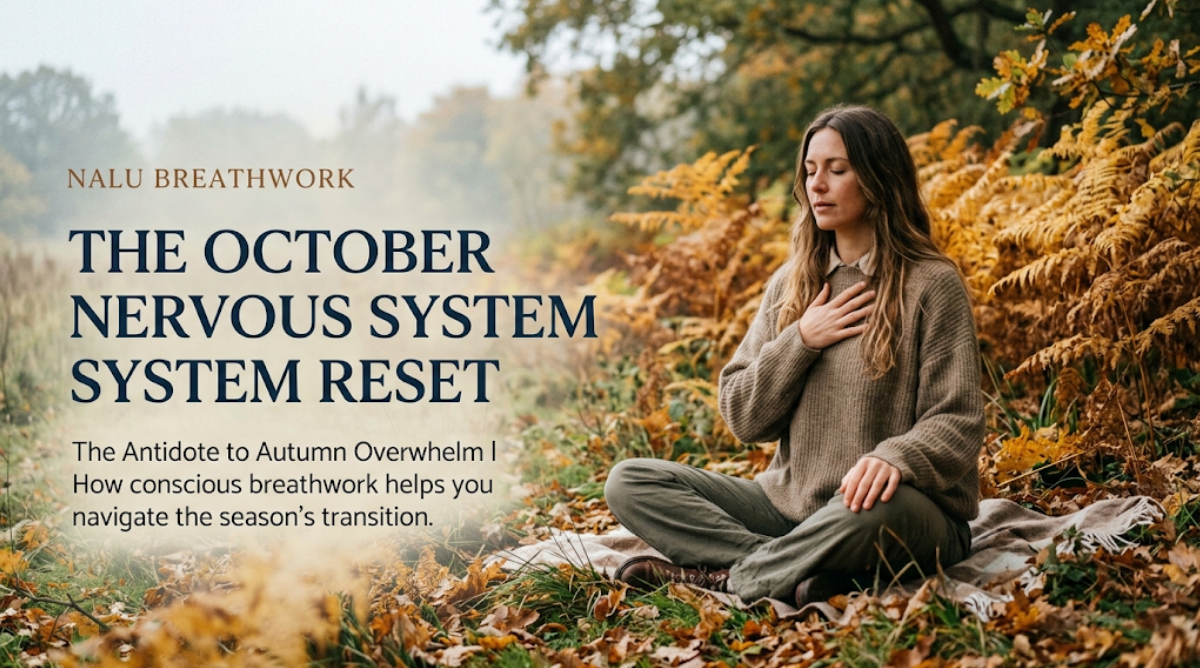
A connected breath can change the atmosphere of a room before a single word is spoken. The jaw softens, the chest begins to move, and the mind has less space to rehearse its usual stories. For wellness professionals called to hold this work, a guide to circular breathing is not simply about learning a technique. It is about developing the presence, discernment and care to meet whatever a client’s breath may bring forward.
Circular breathing can be profoundly supportive, but it is not a performance. There is no prize for breathing harder, feeling more, or reaching a particular emotional state. The real craft lies in creating the conditions for people to return to themselves safely, one breath at a time.
What is circular breathing?
In breathwork, circular breathing usually describes a continuous, connected pattern in which the inhale flows directly into the exhale and the exhale returns to the inhale without a deliberate pause. It is often practised through the mouth, with a fuller inhale and a soft, unforced exhale. The rhythm can be steady and wave-like, helping attention move from thought into sensation.
This is different from the circular breathing used by wind musicians to sustain a note. In a breathwork setting, the intention is not to keep air moving at all costs. It is to use conscious, rhythmic breathing as a doorway into awareness, emotion and inner connection.
For some people, the pattern feels energising and clarifying. For others, it can bring tenderness, tears, memories, frustration or deep rest. These are not outcomes to manufacture. They are possible responses when the nervous system is invited out of its familiar holding patterns.
The breath is personal. A pace that feels expansive for one person may feel too intense for another, particularly someone living with anxiety, trauma or a history of panic. This is why a skilled facilitator keeps the invitation simple: breathe, notice, and adjust when needed.
A guide to circular breathing: begin with your own practice
Before leading anyone else, spend time inside the practice yourself. Your own experience teaches what a script cannot: how quickly intensity can rise, where resistance may show up, and how much reassurance a gentle voice can offer.
Start with a short practice of five to ten minutes in a quiet space. Lie down or sit supported, loosen restrictive clothing, and allow the shoulders and belly to soften. Begin with an easy inhale, then let the exhale leave without pushing. Gradually remove the gaps between each phase so the breath becomes a smooth circle.
Think of the inhale as receiving and the exhale as releasing. The breath need not be loud or dramatic. In fact, a quieter breath is often a wiser place to begin. If you notice dizziness, tingling, tightness, overwhelm or a sense of disconnection, reduce the depth and speed of the breath, return to nasal breathing, or pause altogether.
Afterwards, do not rush straight back into your day. Sit up slowly, drink water, journal a few words, or simply feel your feet on the floor. Integration is part of the practice. It helps your body register that the experience has ended and that you are here, now, and safe.
The rhythm matters more than intensity
New facilitators sometimes believe a powerful session requires a fast, forceful breath. Yet the most meaningful shifts often emerge through consistency rather than strain. A sustainable circular rhythm gives the body time to respond and gives the client room to choose their level of participation.
A useful cue is to encourage a full but comfortable inhale, followed by a relaxed exhale. Avoid language that tells people to push through discomfort or override their body’s signals. You may invite curiosity instead: “See whether the breath can soften by five per cent,” or “Let the exhale fall away rather than forcing it out.”
There is no universally correct duration. A first-time participant may benefit from a brief period of connected breathing, while an experienced client with good self-awareness may be comfortable with a longer journey. It depends on their health, history, capacity that day, and the container you have created.
In heart-centred breathwork, the rhythm is only one part of the session. The music, your language, periods of quiet, emotional permission and grounding all shape the experience. Breath opens the door. Attuned facilitation helps someone walk through it at their own pace.
Safety is an act of love
Holding breathwork well means understanding where your role begins and ends. Circular breathing is not a replacement for medical care, mental health treatment or crisis support. As a facilitator, you do not diagnose, analyse trauma, or promise healing. You create a well-held space, monitor the person in front of you, and know when a different kind of support is needed.
Use a clear health screening and informed-consent process before any session. Ask participants to disclose relevant physical and mental health considerations, current medication, pregnancy, and recent major life events. Follow your training organisation’s protocols and advise clients to seek medical guidance when appropriate.
Extra caution, adaptation or professional clearance may be needed for people with conditions such as:
- cardiovascular concerns, uncontrolled high blood pressure or a history of stroke;
- epilepsy or seizure disorders;
- pregnancy, recent surgery or serious respiratory conditions;
- acute mental health crisis, active psychosis, severe dissociation or current risk of harm.
This is not about excluding people from healing spaces. It is about honouring the fact that care looks different for different bodies and nervous systems. Sometimes the most supportive practice is gentle nasal breathing, orienting to the room, or choosing not to participate that day.
During a session, watch for non-verbal signs as well as spoken feedback. A person who becomes pale, highly agitated, frozen or unable to engage may need grounding rather than encouragement to continue. Invite them to slow down, open their eyes, place a hand on their heart or belly, and reconnect with the room. If concerning symptoms arise, stop the practice and follow your safety procedures.
How to hold the room, not just the breath
A strong circular breathing session begins before the first inhale. Let people know what will happen, what choices they have, and how they can ask for support. Make consent around touch explicit. Never assume that a comforting gesture is welcome, even in a warm group setting.
Your voice sets the emotional temperature. Speak clearly, leave space between cues, and resist the urge to fill every silence. Some participants need an encouraging invitation; others need permission to rest. Phrases such as “you are in charge of your breath” and “take what supports you, leave what does not” remind people of their agency.
A simple session arc can help you stay grounded: arrive and orient, explain the practice, begin gently, build only when appropriate, allow space for release or stillness, then guide a gradual return. The return matters. Give people time to lengthen their natural breath, feel their body against the ground, and notice sounds in the room before inviting reflection.
When emotion arises, your job is not to fix it. Stay regulated, present and compassionate. A calm facilitator can help a client feel that sadness, anger or joy is welcome without making it the centrepiece of the session. If a person wants to share afterwards, listen without interpreting their experience for them.
From personal practice to professional facilitation
If you hope to offer paid one-to-one sessions, couples work, workshops or retreats, personal experience alone is not enough. A professional pathway should teach breath mechanics alongside trauma-aware space holding, client screening, consent, integration, ethics and practical session design. It should also prepare you for the reality that every room contains different needs.
Certification can provide a structured framework for developing this confidence, particularly when it includes supervised practice and feedback. Training with a clear methodology also helps you explain your work without making exaggerated claims. Clients deserve to know what they are being invited into, how you work, and what support is available if difficult material surfaces.
Nalu Breathwork teaches conscious circular breathing within a heart-led approach that also includes Ha Breath, Wave Breath and Healing Heart Breath. For facilitators, learning more than one way to work with breath creates choice. Not every client needs the same pace, depth or energetic focus.
Build your practice slowly enough that your competence can grow with it. Start with clear boundaries, appropriate session lengths, thorough intake processes and reliable aftercare guidance. Seek mentoring, continue your education, and reflect honestly after each session. The people who feel safest in a breathwork space are rarely held by the loudest facilitator. They are held by someone who is prepared, steady and genuinely listening.
The invitation is simple: let your own breath become a place of honest relationship first. From there, you can offer others something far more valuable than a technique – a respectful space to remember their own capacity for peace, feeling and freedom.