A powerful breathwork session is not created by asking someone to breathe harder for longer. It is created through the way you sequence breathwork sessions: how you welcome the nervous system, build intensity, make room for feeling, and help each person return to daily life feeling grounded. For facilitators, that sequence is where heart-led healing meets genuine professional responsibility.
Conscious circular breathing can bring movement to emotions, memories, sensations and long-held patterns. That is why a beautiful playlist or a moving intention is not enough. Whether you are holding a one-to-one, a couples session, a sacred circle or a retreat group, your structure needs to offer both possibility and choice.
Why sequence matters in breathwork
People arrive carrying different stories in their bodies. One client may be ready for an expansive experience; another may need the quiet permission to soften their jaw, feel their feet and take one honest breath at a time. A well-sequenced session does not force either person towards a predetermined outcome.
The sequence gives participants a container. It communicates, often without words: you are welcome here, you are in charge of your own body, intensity can rise and fall, and there will be time to integrate whatever comes forward. This is especially meaningful when working with grief, stress or experiences that have left someone feeling disconnected from themselves.
For the facilitator, structure frees you to be present. Rather than scrambling to decide what comes next, you can observe breathing patterns, offer clear options and respond to the energy in the room. This is not about becoming rigid. It is about knowing the purpose of each phase well enough to adapt with care.
A heart-centred sequence for breathwork sessions
There is no single formula that fits every client, every group or every lineage. Yet most skilful sessions move through a recognisable arc: arrival, preparation, activation, integration and closing. The timing and intensity will change according to the setting, the experience of participants and the method you are facilitating.
Begin with arrival and consent
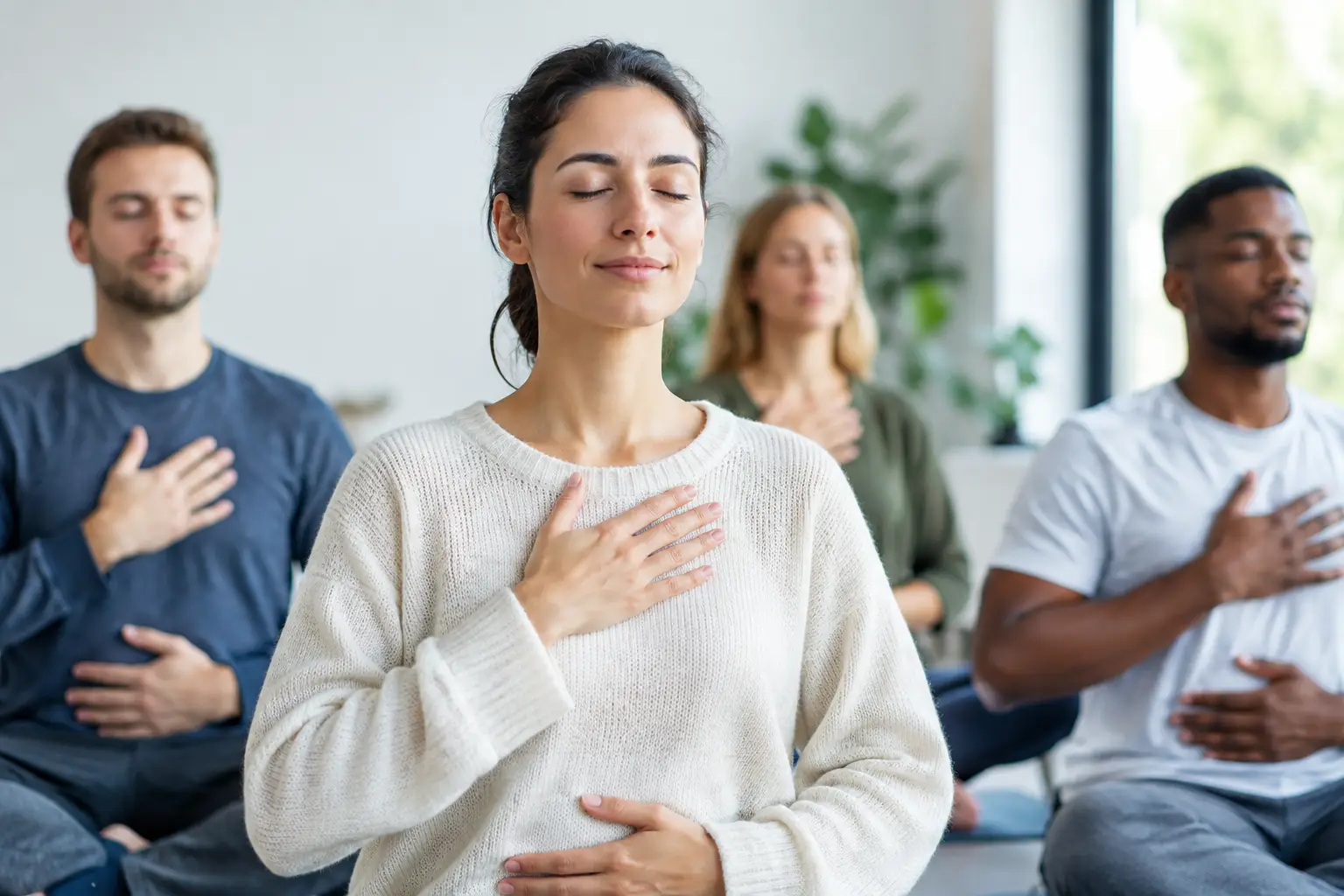
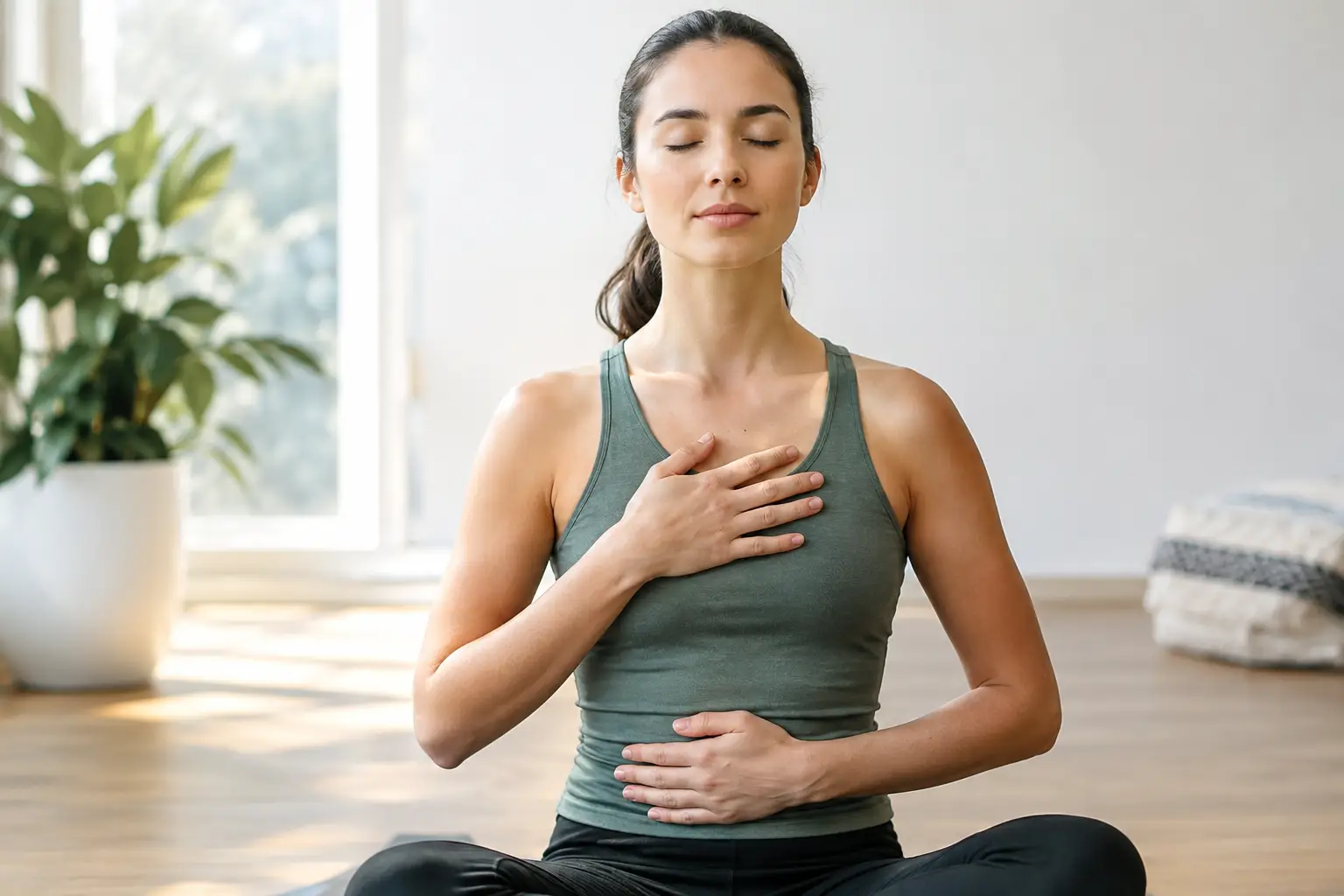
Before anyone begins a connected breathing pattern, create space for arrival. Invite people to settle, notice the room and become aware of what is present in their body without needing to change it. This can be as simple as feeling the support beneath them, taking gentle natural breaths, or naming an intention that feels true for today.
Consent is part of the practice, not a formality at the start. Explain what the session may involve, including that sensations and emotions can arise, and remind participants that they can slow down, pause, open their eyes, change position or return to natural breathing at any point. Touch, if it is ever used, requires clear and specific permission.
This is also the time for appropriate screening and boundaries. A trained facilitator understands when breathwork may need adapting, postponing or referring onwards, and does not present a group session as a replacement for medical, psychological or crisis support. Safety begins before the first active breath.
Prepare the body before inviting depth
Preparation helps the body understand that it is not being rushed. Gentle movement, a body scan, relaxed breathing or a simple grounding practice can ease the transition from the pace of the outside world into an inward experience. In a group setting, this phase also helps create a shared field of attention without asking anyone to disclose more than they wish.
For some clients, preparation may take only a few minutes. For a person who arrives highly activated, fatigued or unsure, it may deserve much longer. The most supportive session is not necessarily the most dramatic one. It is the one that honours the person in front of you.
Build intensity gradually
When you introduce conscious circular breathing, use language that is clear, invitational and easy to follow. Demonstrate the rhythm, offer alternatives and give people time to find their own pace. A gradual build allows participants to notice their response before they move into a deeper state.
This is where a facilitator’s presence matters more than performance. Watch for signs that someone is becoming overwhelmed or disconnected. Offer grounding choices early rather than waiting for distress to become pronounced. Slowing the breath, lengthening an exhale, placing attention on the room, sitting up or taking a drink of water can all be valid forms of participation.
Hawaiian-inspired methods such as Ha Breath, Wave Breath and Healing Heart Breath can bring their own quality and intention to this middle section. They should be offered with respect for the method, clear instruction and an understanding that a technique is never more important than the participant’s capacity in that moment.
Hold the peak without chasing catharsis
The active phase may bring emotion, spaciousness, tingling, warmth, insight or nothing dramatic at all. None of these responses is a measure of success. When a facilitator chases a breakthrough, participants can feel pressure to produce an experience instead of listening to themselves.
Your role is to stay calm, connected and attentive. Use fewer words when the room needs space. Offer simple reminders: soften the shoulders, stay with what feels manageable, let the breath be yours. In a one-to-one session, you may tailor support more closely. In a group, concise collective cues and visible grounding options are often safer than placing attention on one individual.
This is also where professional training matters. Holding emotional expression is different from trying to interpret it, diagnose it or promise a cure. A facilitator can witness deeply while staying within scope.
Make integration part of the session, not an afterthought
After active breathing, guide a deliberate return to natural breath and rest. The body may need quiet before it can make sense of what has happened. Music can soften, silence can become useful, and a few grounding prompts can help participants orient to the present.
Integration does not require a grand revelation. Invite people to notice sensations, images, feelings or shifts in perspective. Journalling, gentle movement, a hand on the heart, or simply lying quietly may all serve the process. If sharing is included, make it optional and avoid inviting people to analyse one another’s experience.
Allow more integration time than you think you need. A rushed ending can leave people open and unsteady, particularly after an emotionally charged session. The final minutes are part of the medicine.
Adapt the sequence to the room
A sequence is a map, not a script carved in stone. A 60-minute individual session may allow more time for personal intention and tailored support. A couples session needs agreements around witnessing, communication and each person’s autonomy. A large festival session may call for simpler instructions, more visible safety guidance and a less intense breathing arc.
Experience level matters too. First-time participants often benefit from a slower build, repeated permission to choose their pace and a generous landing. More experienced breathers may recognise the rhythm quickly, but they still need consent, grounding and thoughtful closure. Familiarity with the practice does not remove the need for care.
Consider practical conditions as part of your sequence: room temperature, privacy, staffing, access to water, time for participants to reorient before travelling home, and a plan for anyone needing additional support. These details may seem ordinary, yet they are what allow the sacred elements of the work to be held responsibly.
Grow your confidence through practice and training
Learning to lead breathwork is not simply learning a breathing pattern. It is learning to read a room, use your voice with clarity, recognise when less is more and hold firm boundaries with compassion. The more you practise, receive feedback and experience sessions from the participant’s perspective, the more naturally your sequencing will develop.
For wellness professionals who want to offer paid one-to-one sessions, workshops, retreats or circles, a structured facilitator pathway can provide the methodology and ethical foundation that inspiration alone cannot. At Nalu Breathwork, the aim is to support facilitators to lead from both skill and heart, so their work can feel deeply human as well as professionally grounded.
The session your client remembers may not be the one with the biggest release. It may be the one where they felt safe enough to breathe honestly, listened to without judgement, and gently welcomed back to themselves.