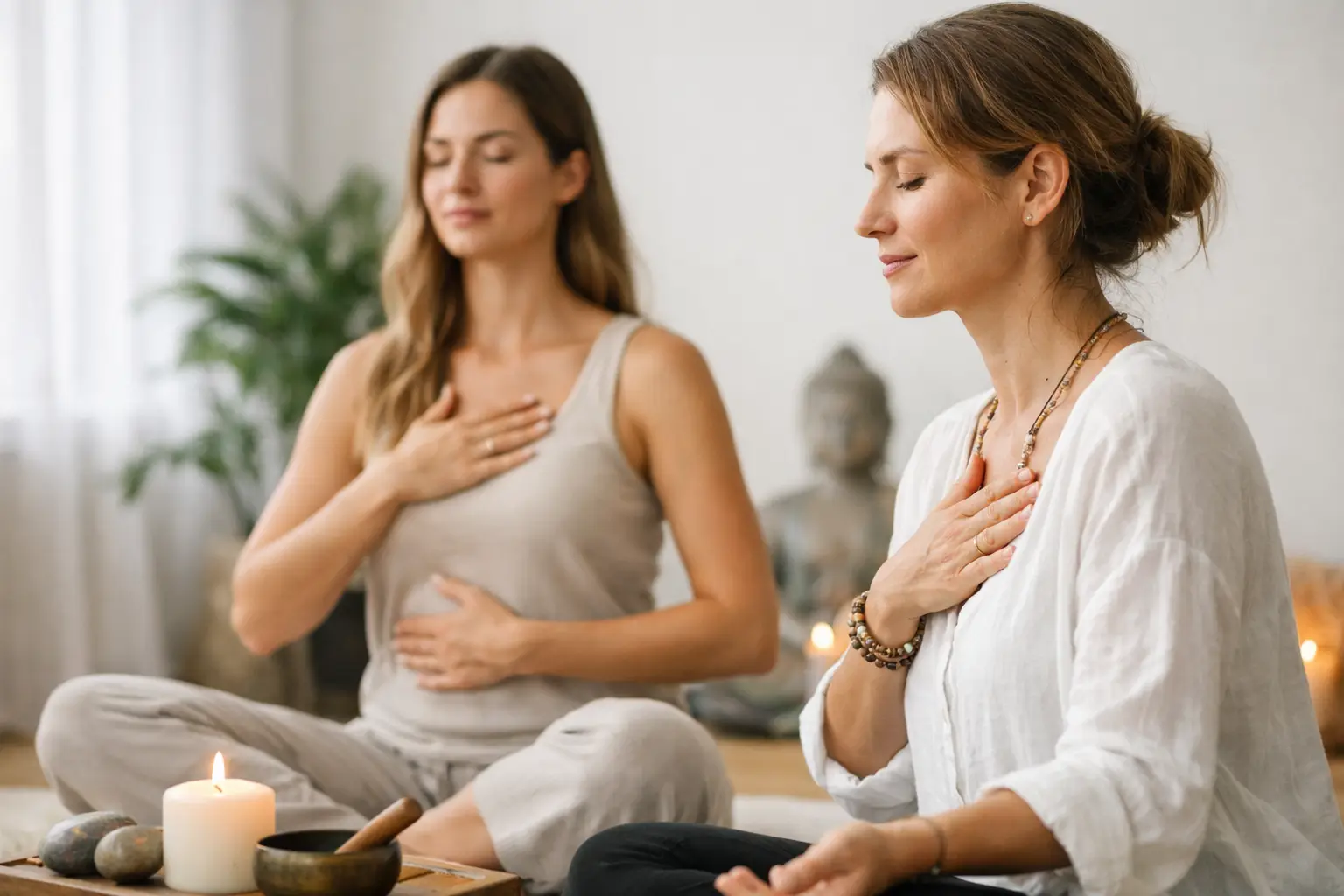
A beautiful breathwork session is not created by technique alone. It is created by the person holding the room – their presence, discernment, steadiness and ability to guide others through what can feel deeply tender, emotional and life-changing. That is why the top skills every breathwork practitioner needs go far beyond simply knowing a breathing pattern.
For wellness professionals, coaches, yoga teachers and heart-led healers, this matters. Clients are not just looking for an interesting experience. They are looking for someone they can trust with their breath, their body and, often, the emotions they have spent years keeping tucked away. If you feel called to this path, skill matters just as much as intention.
Why the top skills every breathwork practitioner needs matter
Breathwork can open profound states of awareness, release grief, soften stress patterns and help people reconnect with themselves in a way that feels immediate and honest. That is part of its beauty. It is also why facilitation requires maturity.
A practitioner may have a powerful personal story with breathwork and still not be ready to lead others. Personal transformation is meaningful, but facilitation asks for something more. It asks you to track nervous systems, read the room, hold emotional intensity without panic and know when to guide, when to pause and when to stay quiet.
This is where many newer facilitators get surprised. They assume their main job is to lead the breathing. In reality, your main job is to create a safe, intentional container where transformation can unfold without force. That takes training, practice and self-awareness.
Presence is the first skill
Before method, there is presence. Clients can feel when a facilitator is grounded and when they are performing confidence. Presence is what allows people to settle, trust and let go.
A breathwork practitioner with strong presence does not rush to fix every tear or explain every sensation. They stay anchored. They listen with their whole body. They do not disappear into a script when the room becomes emotionally charged.
This can sound simple, but it is not always easy. Presence grows through your own inner work, through being guided yourself and through learning how your body responds when another person is in distress, resistance or release. If you are easily thrown off by silence, emotion or unpredictability, clients will feel that.
A heart-led practice does not mean being soft in a vague sense. It means being deeply available while remaining steady.
Safety and space-holding are non-negotiable
If there is one area that separates a passionate beginner from a skilled facilitator, it is space-holding. Breathwork can stir memories, body sensations and emotions very quickly. A practitioner must know how to create physical, emotional and energetic safety from the very beginning.
That includes setting clear expectations, using informed language, understanding contraindications and recognising when someone may need a different pace or approach. Not every client needs the same intensity. Not every group is suited to the same rhythm. Sometimes the most skilful decision is to soften the process rather than push for a breakthrough.
Space-holding also means knowing that transformation does not always look dramatic. A quiet session where someone finally feels safe in their own body may be more powerful than tears, shaking or catharsis. Mature practitioners do not chase big moments for the sake of it.
Communication is a healing skill
Many people think of breathwork as non-verbal, but words matter. The way you open a session, explain the practice and guide the journey shapes the client’s experience.
Clear communication builds trust. It helps clients understand what they are stepping into and gives them language for consent, choice and self-responsibility. This is especially important when working with people who are new to breathwork or who come from a background of stress, trauma or emotional overwhelm.
Good facilitation language is calm, simple and precise. It avoids making grand promises. It does not tell people what they should feel. Instead, it invites curiosity. It gives permission. It supports the client to stay connected to their own experience rather than trying to perform healing.
In group settings, communication also becomes an art of timing. Too much talking can pull people out of the process. Too little can leave them feeling unsupported. Knowing the difference comes with practice.
Nervous system awareness changes everything
Breathwork sits close to the nervous system, so a practitioner needs at least a strong working understanding of regulation, activation and overwhelm. You do not need to become a clinical expert to be a responsible facilitator, but you do need to know what is happening when someone becomes flooded, dissociated, agitated or shut down.
This is one reason trauma-aware training matters. A client’s breathing pattern, body language and tone can tell you a lot. Are they moving through healthy release, or are they slipping beyond their window of tolerance? Do they need encouragement to stay with the breath, or support to slow down and reorient?
It depends on the person, the setting and the intention of the session. A private session offers more room to adapt in real time. A group session requires stronger structure and cleaner boundaries. A skilled practitioner learns how to track both the individual and the collective field.
Intuition matters, but method keeps it safe
In spiritual spaces, intuition is often celebrated, and rightly so. Breathwork is not mechanical. There is an art to feeling what the room needs, sensing when to offer support and recognising the deeper emotional currents beneath what is being said.
But intuition without method can become messy. It can lead facilitators to overstep, improvise beyond their competence or interpret a client’s process through their own lens. That is where structure protects everyone.
The strongest practitioners blend intuitive sensitivity with a clear framework. They know the arc of a session. They understand why they are using a specific breath pattern. They can guide 1:1 sessions, couples work and groups with intention rather than guesswork.
This is especially important if you want breathwork to become part of your professional offering. Clients need to feel your heart, yes, but they also need to trust your competence.
Emotional maturity is one of the top skills every breathwork practitioner needs
Breathwork facilitation can stir devotion, projection, vulnerability and strong emotions in both client and practitioner. Emotional maturity is what helps you stay clean in your role.
This means not needing to be the saviour. Not making a client’s breakthrough about your validation. Not collapsing when someone has a difficult session. And not assuming every emotional release equals lasting integration.
Emotional maturity also shows up in how you receive feedback. Sometimes a session lands beautifully. Sometimes a client needs something different. Skilled facilitators stay teachable. They refine their craft. They do not hide behind spiritual language when practical improvements are needed.
For anyone building a real practice, this matters deeply. Professional readiness is not only about being certified. It is about becoming someone others can rely on.
Integration is where the work becomes real
A powerful session can open the door, but integration helps someone walk through it. Without this skill, breathwork can become a series of intense experiences that feel meaningful in the moment yet do not create lasting change.
Practitioners need to know how to close a session well, help clients orient back to the present and offer grounded next steps. That might mean rest, reflection, journalling, hydration, gentle movement or simply allowing time before making major decisions. It is not glamorous, but it is essential.
Integration also protects against dependency. Rather than positioning yourself as the keeper of someone’s healing, you support them to build trust in their own inner wisdom. That is empowering. It is also ethical.
The business skill few healers want to talk about
If you want to lead paid sessions, workshops, retreats or sacred circles, your skills must extend beyond facilitation. You also need professionalism.
That includes clear boundaries, session structure, client communication, record-keeping, scope of practice and the confidence to speak about your work without shrinking. Many gifted healers hesitate here, but being heart-led and being professional are not opposites. They strengthen one another.
A well-trained facilitator knows how to create a meaningful client journey from first enquiry to aftercare. They understand that trust is built in the small details as much as in the session itself. This is part of what allows a practice to grow sustainably.
For many in this space, proper training is also what supports insurance-readiness and the confidence to serve in varied settings, from private clients to group events. That practical foundation gives your gift somewhere solid to land.
Skill grows in community, not in isolation
Breathwork can be deeply personal, but facilitation is not something most people master alone. It grows through mentorship, supervised practice, feedback and being part of an Ohana that values both heart and responsibility.
That is often why immersive training is so impactful. You are not only learning techniques. You are being shaped as a facilitator. You begin to understand the nuance of touch, tone, pacing, group energy, session arcs and your own patterns under pressure. Online learning can support this beautifully too, especially when it is structured and rooted in real facilitation standards.
At Nalu Breathwork, this blend of heart-based practice and professional competence is central for a reason. People deserve facilitators who can hold both transformation and safety with integrity.
If this path is calling you, let it call you fully. Learn the method. Deepen your presence. Honour the responsibility. The breath can open extraordinary doors, but it is your skill that helps others walk through them with trust.