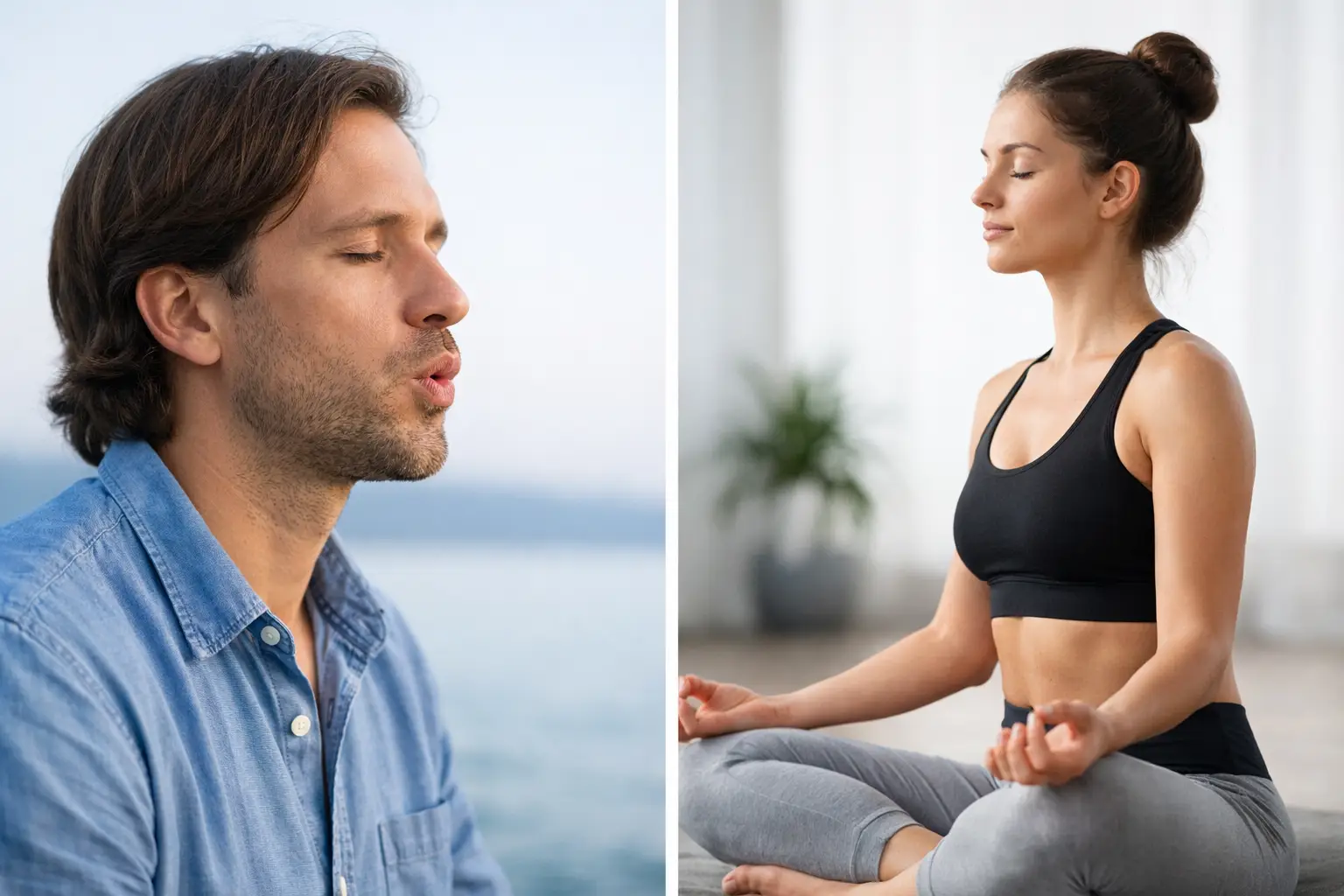
You can feel a retreat working on you before you even board the plane. The nerves, the excitement, the quiet questions about what might surface – all of that is part of the journey. A good breathwork retreat preparation guide is not about controlling the experience. It is about arriving with enough steadiness in your body, heart and mind that you can meet the work fully.
If you are a coach, yoga teacher, therapist, bodyworker or simply a conscious soul being called deeper into healing, preparation matters. Breathwork retreats can be tender, powerful and deeply clarifying. They can also ask more of you than a typical wellbeing weekend. When the space is held well, profound release and insight can happen. That is beautiful, but it also means your preparation should be intentional.
Why a breathwork retreat asks for real preparation
Breathwork is not passive relaxation. In a retreat setting, you are often stepping into an immersive rhythm of practice, reflection, connection and rest. For some people, that feels like coming home. For others, it brings up resistance before they even arrive.
That does not mean anything is wrong. It usually means your system already senses that change is possible.
A retreat can open grief you have neatly packed away, soften stress patterns you have lived with for years, or reconnect you with purpose that has gone quiet under daily responsibilities. If you are attending as part of facilitator training, there is another layer too. You are not only receiving the work. You are beginning to understand how to hold it safely for others. That calls for presence, honesty and personal responsibility.
Breathwork retreat preparation guide for body and nervous system
Start with the basics, because the body is where the experience lands. In the week before your retreat, reduce anything that leaves you depleted if you can. Late nights, heavy social plans and overstimulation make it harder to arrive regulated. You do not need to become ascetic overnight, but it helps to give your nervous system a cleaner runway.
Sleep is one of the best forms of preparation. A well-rested body can process emotional and physical intensity far better than an exhausted one. Hydration matters too. Start increasing your water intake a few days beforehand rather than trying to catch up on the first morning.
Food is worth considering with a balanced approach. Many people feel better entering breathwork with lighter, nourishing meals and less alcohol. If your retreat provider gives guidance around eating before sessions, follow it carefully. At the same time, avoid turning preparation into punishment. This is not about proving spiritual discipline. It is about supporting your body so it feels safe enough to let go.
Gentle movement can help in the lead-up. Walking, stretching, yoga or quiet time in nature often does more than an intense workout the day before travel. Think regulation, not performance.
Emotional preparation matters just as much
One of the most useful things you can do before a retreat is tell the truth about where you actually are. Not where you think you should be. Not the polished version you share professionally. The honest version.
Are you grieving? Burnt out? Numb? Hopeful? Frightened of being seen? Craving clarity around your work? Longing to reconnect with joy? Name it gently. Breathwork tends to meet what is real, not what is rehearsed.
Journalling can help here, especially if you keep it simple. Ask yourself what you are ready to receive, what you are ready to release and what support you may need while you are there. If strong material is already active in your life, it can also be wise to think ahead about integration support after the retreat. That might be a therapist, supervisor, trusted mentor or a spacious few days at home before returning to client sessions.
It depends on your history and what the retreat involves. If you know trauma, anxiety or recent loss are present, preparation is not about talking yourself out of attending. It is about making sure you have the right support and that you have communicated anything relevant to the facilitators.
Practical preparation that makes the whole experience smoother
Spiritual readiness matters, but so do the ordinary details. Travel stress has a way of rattling the nervous system before the retreat has even begun. Pack earlier than you think you need to. Leave room for comfort.
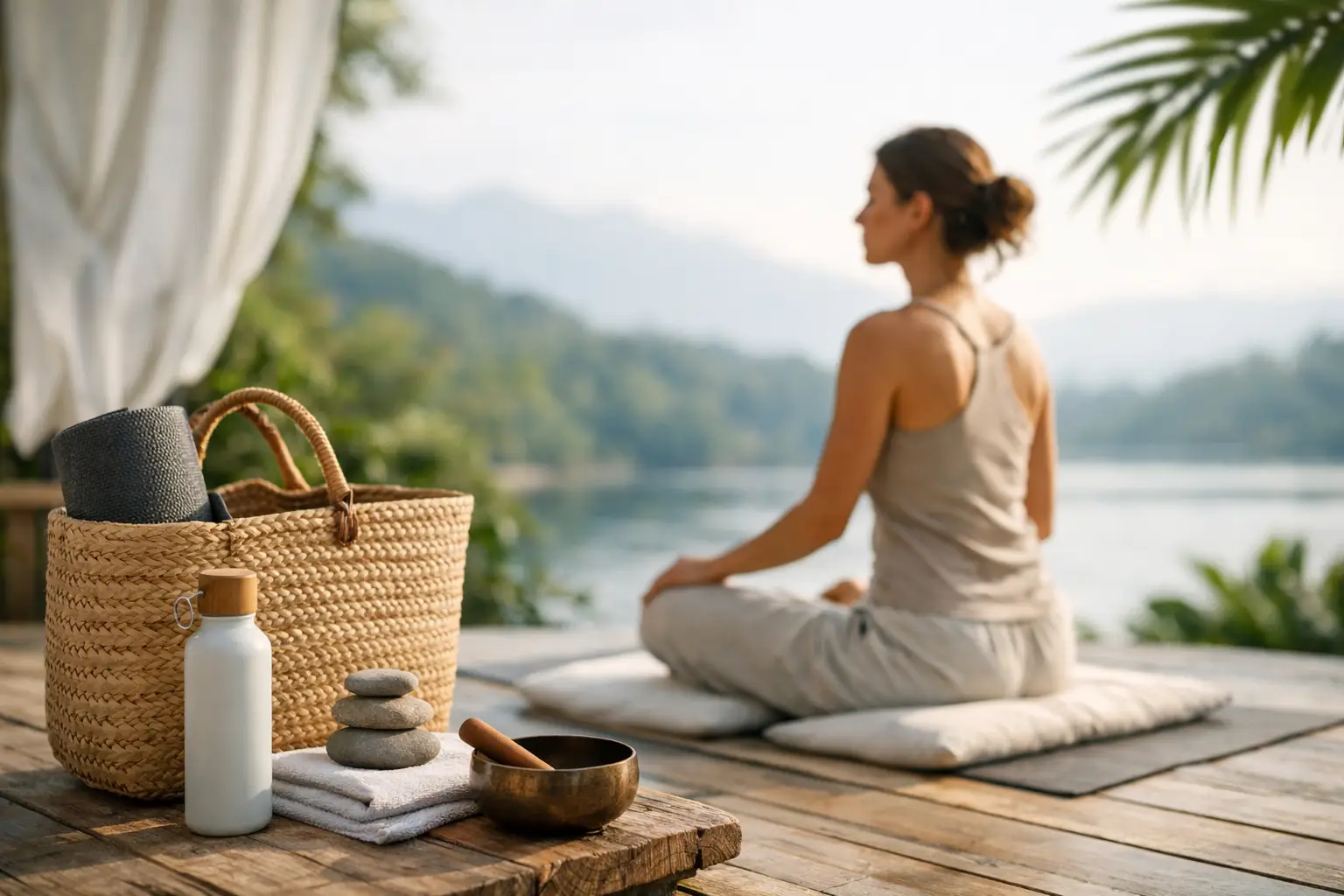
Bring soft layers, breathable clothes and anything that helps you feel warm and grounded during sessions. Retreat rooms can shift in temperature, and after deep breathwork many people want comfort more than style. A journal is worth bringing, as are a refillable water bottle, simple toiletries and any personal items that help you settle, such as an eye mask or shawl.
Medication should never be an afterthought. Pack it clearly, bring enough for the full trip and keep anything essential in your hand luggage if you are flying. If you have a medical or mental health history that the retreat team should know about, share that in advance rather than waiting until arrival. Safe facilitation depends on honest information.
Try not to schedule yourself tightly on either side of the retreat. If you can avoid rushing from the airport straight into work or family demands, do. Even one extra night to land afterwards can make a real difference.
Set intentions, but hold them lightly
Many people arrive at a retreat with one big question. What am I meant to do next? Why do I keep repeating this pattern? How do I serve more deeply without burning out? Intention is powerful because it gives your heart somewhere to orient.
But there is a quiet trap here. If you become attached to one exact outcome, you may miss the wisdom that actually wants to come through.
A stronger approach is to choose an intention that is clear but spacious. Something like, I am willing to see what is ready to shift. Or, I am open to healing that serves both my life and my work. If you are entering facilitator training, your intention might include both personal transformation and professional readiness. Those two do not compete. They often strengthen each other.
If you are preparing as a future facilitator
For practitioners and aspiring space-holders, retreat preparation includes humility. You may already guide clients in another modality. You may have years of experience in yoga, therapy, coaching or energy work. That background can be deeply supportive, but it can also make people arrive with a quiet need to get it right.
Try to let that go.
The most skilful facilitators are rarely the ones trying to appear the most evolved. They are the ones willing to stay teachable. Come ready to participate fully, to observe carefully and to learn not only from the formal teaching but from your own internal process.
If the retreat includes certification elements, be honest about your capacity. Emotional depth is not the same as facilitation competence. Both matter. A strong training will help you build the structure, safety awareness and confidence needed to lead one-to-one sessions, couples work and groups with integrity. Your job in preparation is to arrive open enough to receive that training well.
What not to do before a retreat
Avoid cramming your schedule as if the retreat were just another event to fit in. Breathwork asks for space. It is also unhelpful to consume endless content beforehand in the hope of predicting what will happen. Some education is useful. Obsessive research can become a way of staying in the head.
Try not to compare your process with anyone else’s either, especially if you are attending with peers from the wellness world. One person may have dramatic emotional release. Another may experience subtle calm and clarity. Neither is better. Breathwork is not a performance of healing.
And if fear shows up, do not treat it as a sign to shut down. Often fear simply means you are approaching an edge that matters.
Arrive as you are, not as who you think you should be
There is something quietly powerful about walking into retreat space without the usual armour. No need to be the strong one, the sorted one, the one who already knows. Just a willingness to breathe, listen and let yourself be met.
That is where real preparation leads. Not perfection. Not control. Readiness.
At Nalu Breathwork, we see again and again that the people who receive the most from retreat are not always the most experienced. They are the ones who come with sincerity, self-responsibility and an open heart.
So prepare well. Rest a little more. Pack with care. Tell the truth about what you are carrying. Then step into the space knowing that your breath already knows the way. Sometimes the bravest preparation of all is simply making room for transformation before it arrives.