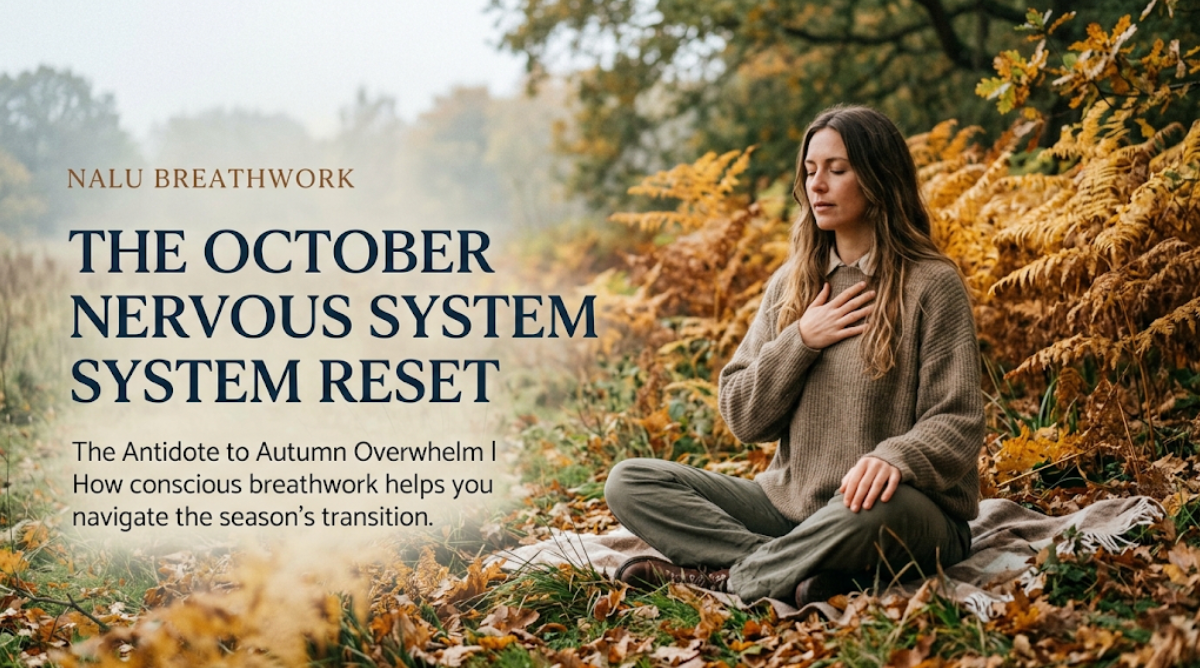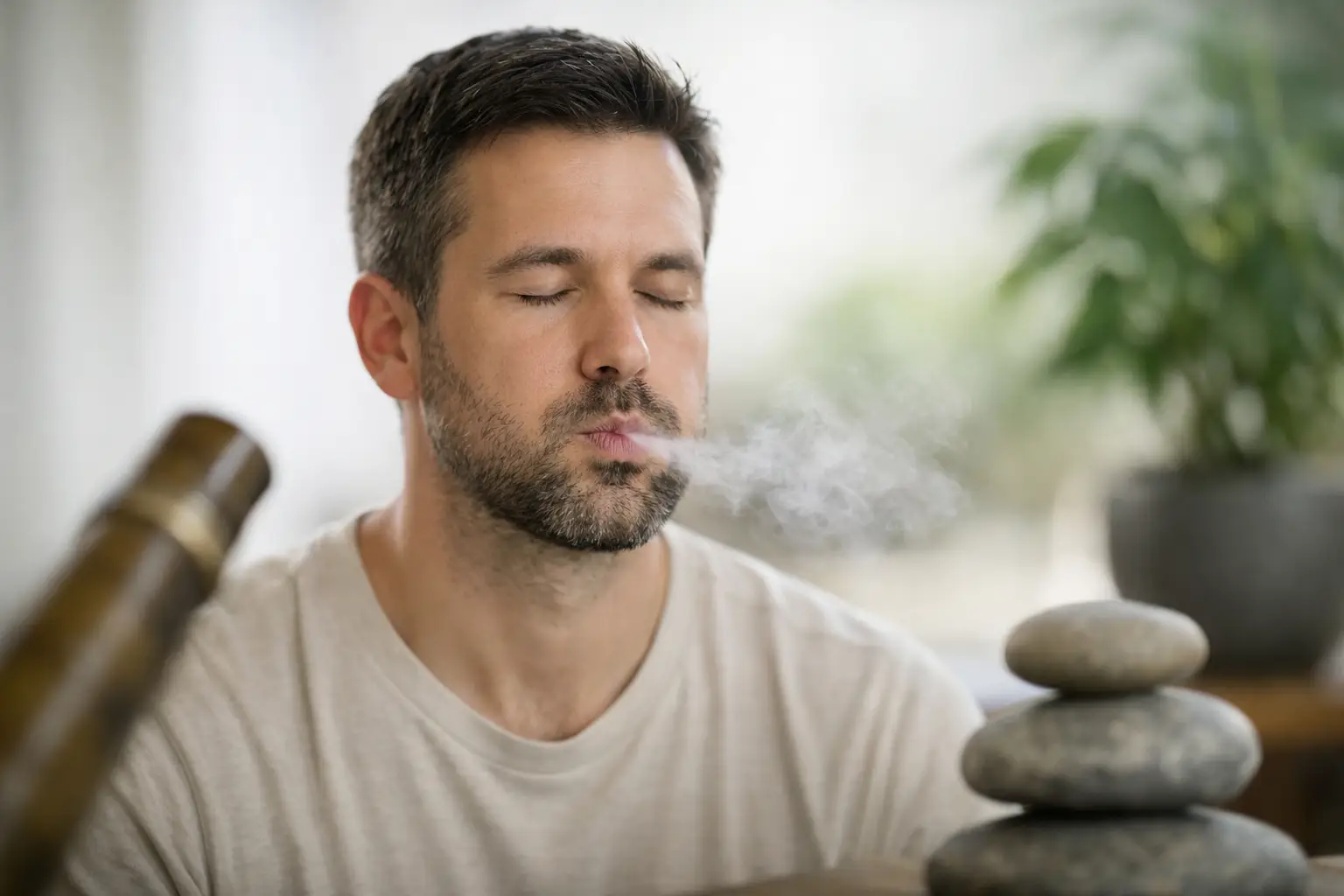
A conscious circular breath can feel remarkably simple: no pause between the inhale and exhale, just a continuous wave of breath moving through the body. Yet the experience can become physically intense, emotionally tender and unexpectedly expansive. So, is circular breathing safe? For many people, yes, when it is practised gently, with appropriate screening and skilled support. It is not, however, a one-size-fits-all practice.
For those called to facilitate breathwork, safety is not a disclaimer added at the start of a session. It is part of the art. It lives in how you welcome someone into the room, how you recognise when intensity is becoming too much, and how confidently you guide them back towards steadiness.
Is circular breathing safe for everyone?
Circular breathing, also called connected or conscious circular breathing, describes a breath pattern in which the inhale flows into the exhale without a deliberate hold. In a breathwork setting, it is often used to support body awareness, emotional processing and a deeper connection to inner experience.
The answer to whether circular breathing is safe depends on several things: the person’s health history, their current emotional state, the pace and depth of the breath, and the quality of facilitation around them. A slower, softer connected breath is very different from a fast, forceful practice sustained for a long period.
When people breathe more rapidly or deeply than their body requires, carbon dioxide levels can temporarily fall. This can bring sensations such as light-headedness, tingling in the hands or face, tightness in the hands, warmth, dizziness or waves of emotion. These sensations can occur in breathwork, but they should never be treated as proof that a session is working well. Intensity is not the goal. Choice, presence and integration matter far more.
A safe session gives every participant permission to soften the breath, return to natural breathing, sit up, open their eyes, take a break or stop completely. There is no prize for pushing through discomfort. The breath is an invitation, not a test.
When extra care or professional advice is needed
Before joining an active circular breathing session, some people may need medical clearance, a gentler approach or a different practice altogether. A responsible facilitator uses a confidential health questionnaire and creates space for an honest conversation before the session begins.
Particular care is needed for people with cardiovascular conditions, uncontrolled high blood pressure, a history of stroke, aneurysm, glaucoma or retinal concerns, seizure disorders, severe osteoporosis, or recent surgery or significant injury. Pregnancy, severe asthma or other respiratory conditions, and medications that affect breathing, blood pressure or mood may also call for individual guidance from an appropriate healthcare professional.
Mental and emotional health deserves the same respect. Those experiencing psychosis, mania, severe dissociation, acute crisis, or significant trauma symptoms may need the support of a qualified clinical practitioner rather than, or alongside, a group breathwork experience. Breathwork can bring buried feelings closer to the surface. That can be meaningful when the person has choice, resourcing and proper support. It can also be overwhelming if the setting is not right.
This is not about labelling anyone as broken or excluding them from healing spaces. It is about recognising that the right support looks different for different nervous systems. Sometimes the most caring recommendation is a quieter, shorter practice, a one-to-one session, or a conversation with a medical or mental health professional first.
What safe circular breathing feels like in practice
Safety does not mean nothing powerful happens. Tears, laughter, shaking, memories and a profound sense of relief can arise. A well-held breathwork space allows these experiences without demanding them. The participant remains the authority on their own body.
A thoughtful facilitator sets the frame before the breath begins. They explain the technique in plain language, outline what sensations may occur, identify how to slow down, and make consent visible throughout the session. They do not promise a breakthrough, diagnose trauma, or imply that breathwork replaces medical or psychological care.
During the practice, the guide watches and listens. They notice changes in breathing rhythm, body tension, facial colour, responsiveness and emotional state. They offer grounded choices rather than commands: soften the inhale, breathe through the nose, lengthen the exhale, place a hand on the heart, feel the floor beneath your feet, or return to a natural breath.
Afterwards, integration is part of the safety container. Participants need time to rest, hydrate, orient to the room and make sense of what arose. A big emotional release followed by a rushed return to everyday life is not ideal. Even five quiet minutes can help the nervous system settle.
Signs to pause or stop
A participant should be encouraged to pause the active breath and return to normal breathing if they feel faint, confused, panicked, have chest pain, experience severe shortness of breath, or develop strong or worsening physical discomfort. If concerning symptoms do not settle quickly, appropriate medical help is needed.
Facilitators should never assume that every intense response is a healing response. Calm assessment, clear boundaries and a willingness to seek further help are marks of professional maturity.
The pace matters more than the performance
One of the most common misunderstandings about circular breathing is that deeper and faster must be better. In reality, a breath that is too forceful can create unnecessary strain and make it harder for someone to stay connected to their body.
For beginners, a gentle open-mouth breath may be appropriate in some settings, while others may benefit from breathing through the nose or using a slower, more regulated rhythm. Someone with a history of anxiety may find that a soft, unhurried breath with plenty of grounding is far more supportive than an intense cathartic session. A person who feels emotionally shut down may need more time building trust before engaging in deeper work.
This is why scripted facilitation has limits. A facilitator needs a clear method, but they also need the embodied skill to respond to the human being in front of them. The best guidance is not performative. It is attentive.
Why trained facilitation changes the experience
Holding breathwork is more than playing music and inviting people to breathe deeply. It requires an understanding of contraindications, informed consent, nervous system regulation, emotional boundaries, group dynamics and aftercare. It also requires the humility to know the limits of your scope.
For coaches, yoga teachers, bodyworkers, therapists-in-training and retreat leaders, this is where professional education matters. Your clients may arrive carrying grief, stress, trauma histories, health conditions and hopes they have not spoken aloud. They deserve more than a powerful experience. They deserve a space that is paced, ethical and responsibly held.
At Nalu Breathwork, conscious circular breathing is taught as part of a heart-led facilitation approach, alongside grounding practices that support participants before, during and after the journey. The aim is not to make every session dramatic. It is to help facilitators create conditions where people can meet themselves with greater honesty, care and choice.
A simple preparation check for participants
Before practising, ask yourself: Do I feel physically well enough today? Am I able to stop or slow down whenever I choose? Have I shared relevant health information with my facilitator? Do I have time afterwards to rest and integrate?
If the answer to any of these questions is no, it may be wiser to choose a gentler practice, postpone the session or seek individual guidance. Listening to that inner no is part of conscious breathing too.
Building a culture of consent in breathwork spaces
Physical adjustments, touch, emotional expression and music can all influence a participant’s sense of safety. Consent should be specific and ongoing, not assumed from a form signed at the door. A person may agree to touch before a session and change their mind halfway through. They may want to cry privately, sit near an exit, or remain silent during sharing. All of these choices deserve respect.
In group spaces, clear practical planning also matters. Facilitators should have enough support for the group size, know how to respond to distress, maintain confidentiality, and provide a calm route for anyone who needs to step out. For online sessions, participants should be encouraged to choose a private, comfortable setting and avoid practising while driving, in water, or anywhere a dizzy spell could create danger.
The most beautiful breathwork spaces are not those where everyone has the same experience. They are the ones where each person feels safe enough to have their own.
Circular breathing can be a meaningful doorway into release, clarity and connection, but the doorway should never be forced open. Let the breath be guided by compassion, informed by good practice, and measured by how well it helps a person return to themselves.