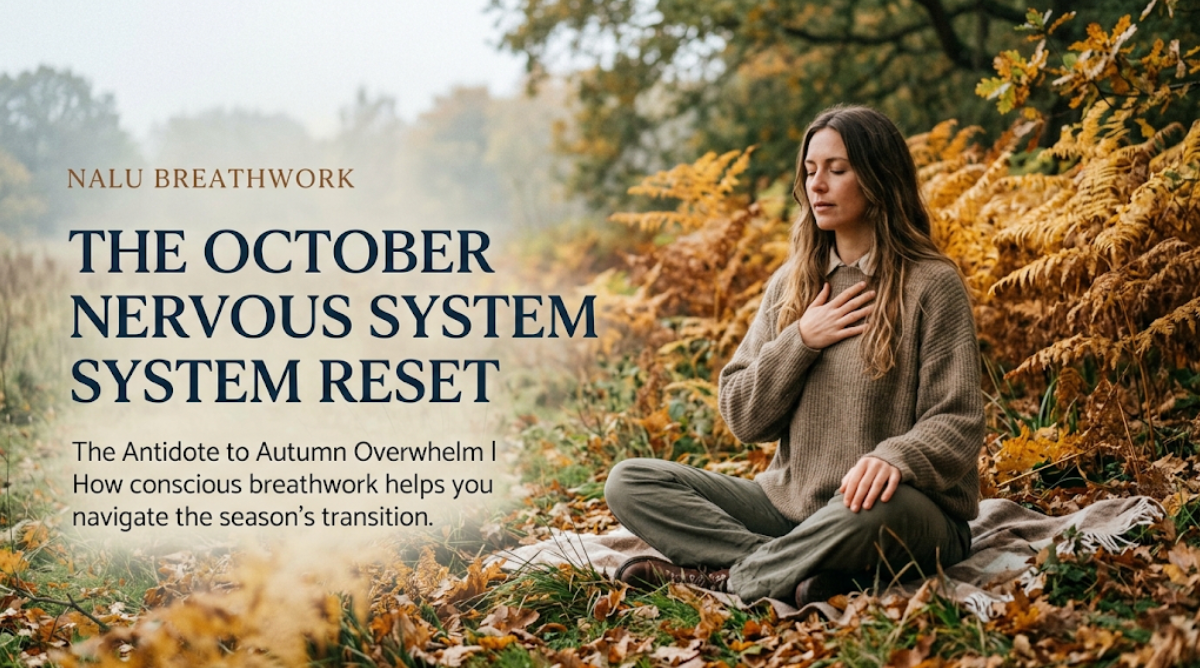
A full breath can change the shape of a moment. It can create a little more room around grief, soften the tight grip of stress, or help you hear what your heart has been trying to say beneath the noise. This guide to Ha Breath offers a gentle starting point for meeting your breath with presence, care and respect.
Ha Breath is not about forcing a breakthrough or performing a perfect technique. It is an invitation to come home to the body. For wellness professionals, coaches and conscious souls who feel called to hold space for others, it can also be a reminder that the quality of your own presence matters as much as the practice you share.
What is Ha Breath?
The word hā is often connected with breath and the life force carried through it in Hawaiian language and culture. Breath practices have existed in many lineages and communities across the world, each with their own meaning, context and responsibility. They deserve to be approached with humility rather than borrowed as a trend.
At Nalu Breathwork, Ha Breath is a Hawaiian-inspired, heart-centred method used within a wider breathwork approach. It brings conscious attention to the inhale, the exhale and the felt experience of being alive. Rather than trying to think your way out of discomfort, you allow the breath to create a compassionate relationship with what is present.
For some people, this may feel calming and nourishing. For others, a connected breathing practice can stir emotion, memory, tingling, warmth or vulnerability. Neither response is a measure of how well you are doing. The practice is not about chasing bliss. It is about listening honestly and staying connected to your inner wisdom.
A guide to Ha Breath before you begin
Choose a space where you can be undisturbed for ten to fifteen minutes. You may prefer to lie down with a cushion beneath your knees, or sit upright with your feet resting on the floor. Let comfort be part of the practice. A body that feels supported is often more willing to soften.
Set an intention that is simple and kind. You might ask, “What do I need to receive today?” or offer yourself a phrase such as, “I am here with myself.” An intention is not a demand for a particular emotional outcome. It is a gentle direction for your awareness.
Before working with an active circular breath, take a moment to assess how you feel. If you are exhausted, anxious, dissociated or emotionally raw, slower breathing with a longer, easy exhale may be the wisest choice. There is no prize for intensity. Learning to recognise when to deepen and when to slow down is part of true breathwork maturity.
Practising Ha Breath with gentleness
Begin by noticing your natural breathing pattern without changing it. Feel where the breath moves most easily: perhaps the chest, ribs, belly or back body. Let your jaw loosen, allow your shoulders to settle and invite the muscles around your eyes to soften.
When you feel ready, breathe in gently through the mouth, allowing the inhale to fill the belly and rise into the chest. Exhale through the mouth with ease, releasing the breath without pushing or collapsing. Imagine the exhale as a soft letting go, like a wave returning to shore.
You can then begin a light, connected rhythm, allowing the inhale to flow into the exhale and the exhale to flow back into the inhale without a deliberate pause. Keep the breath comfortable. It does not need to be loud, fast or dramatic to be meaningful. The heart of the practice is steady attention and willingness.
Stay with this rhythm for a few minutes, noticing what arises. If emotion comes, see if you can name it quietly without analysing it: sadness, relief, anger, tenderness, fear, gratitude. Feel the sensations beneath the story. A tight throat may be asking for space. A heavy chest may be asking to be witnessed. Let the breath accompany the experience rather than trying to fix it.
If you notice dizziness, numbness, cramping, panic or a sense that you are becoming overwhelmed, return immediately to a natural breath. Place one hand on your chest and one on your belly. Open your eyes, look around the room and feel the ground beneath you. This is not failure. It is self-regulation, and it is a powerful skill.
To close, allow the breath to return to its ordinary rhythm. Rest for several minutes. You may like to place both hands over your heart, feel the contact of your body with the floor, and ask yourself what feels true now. Drink water, move slowly and give yourself time before rushing into the next task.
What emotional release can and cannot mean
Breathwork can create conditions in which held emotion becomes more accessible. Tears, laughter, shaking, a sense of spaciousness or no obvious sensation at all can all be valid experiences. Yet emotional release is not the same as resolution. One moving session may bring relief, while lasting change often asks for ongoing care, supportive relationships and, where needed, therapeutic support.
This distinction matters deeply for anyone wishing to facilitate. A client’s visible release is not proof that they have processed everything, nor is a quiet session less valuable. Heart-led facilitation means making room for each person’s unique process without interpreting it for them or promising outcomes you cannot guarantee.
Holding Ha Breath in a professional setting
For yoga teachers, therapists-in-training, bodyworkers and retreat leaders, adding breathwork to your offering can be a meaningful professional pathway. But a beautiful practice alone is not enough. Holding one-to-one sessions, couples work and groups requires clear scope, informed consent, screening, grounding skills and the confidence to respond when a participant needs less intensity, more orientation or a complete pause.
A skilled facilitator does not become the hero of another person’s healing story. They create a container where participants have choice. That can mean explaining the practice in plain language, reminding people that they may change position or return to normal breathing at any time, and avoiding touch unless it has been explicitly discussed and consented to.
It also means understanding the limits of your role. Breathwork facilitation is not a replacement for medical care, crisis support or trauma therapy. If someone presents with complex trauma, acute mental health concerns or a medical condition, responsible practice includes appropriate referral and collaboration within your professional scope.
This is why structured training matters. Nalu Breathwork teaches aspiring facilitators to blend conscious circular breathing with heart-centred methods, while developing the safety and space-holding skills needed to lead sessions with integrity. The goal is not simply to guide a powerful experience. It is to become someone people can trust in tender moments.
When to seek extra guidance
It is sensible to speak with a qualified healthcare professional before trying active breathwork if you are pregnant, have cardiovascular or respiratory concerns, a history of seizures, glaucoma, serious mental health symptoms, or are recovering from recent surgery or injury. The same care applies if you are taking medication or have any condition that may be affected by changes in breathing or emotional activation.
Even without a diagnosis, choose supported practice if you are working through intense grief, trauma or persistent anxiety. A trained facilitator can help you stay oriented to the present, but the right support may also include a regulated therapist or healthcare practitioner. Your wellbeing is always more important than completing a technique.
The breath is already with you, patient and unhurried. Meet it with curiosity, honour its limits, and let each gentle cycle remind you that healing need not be forced to be real.