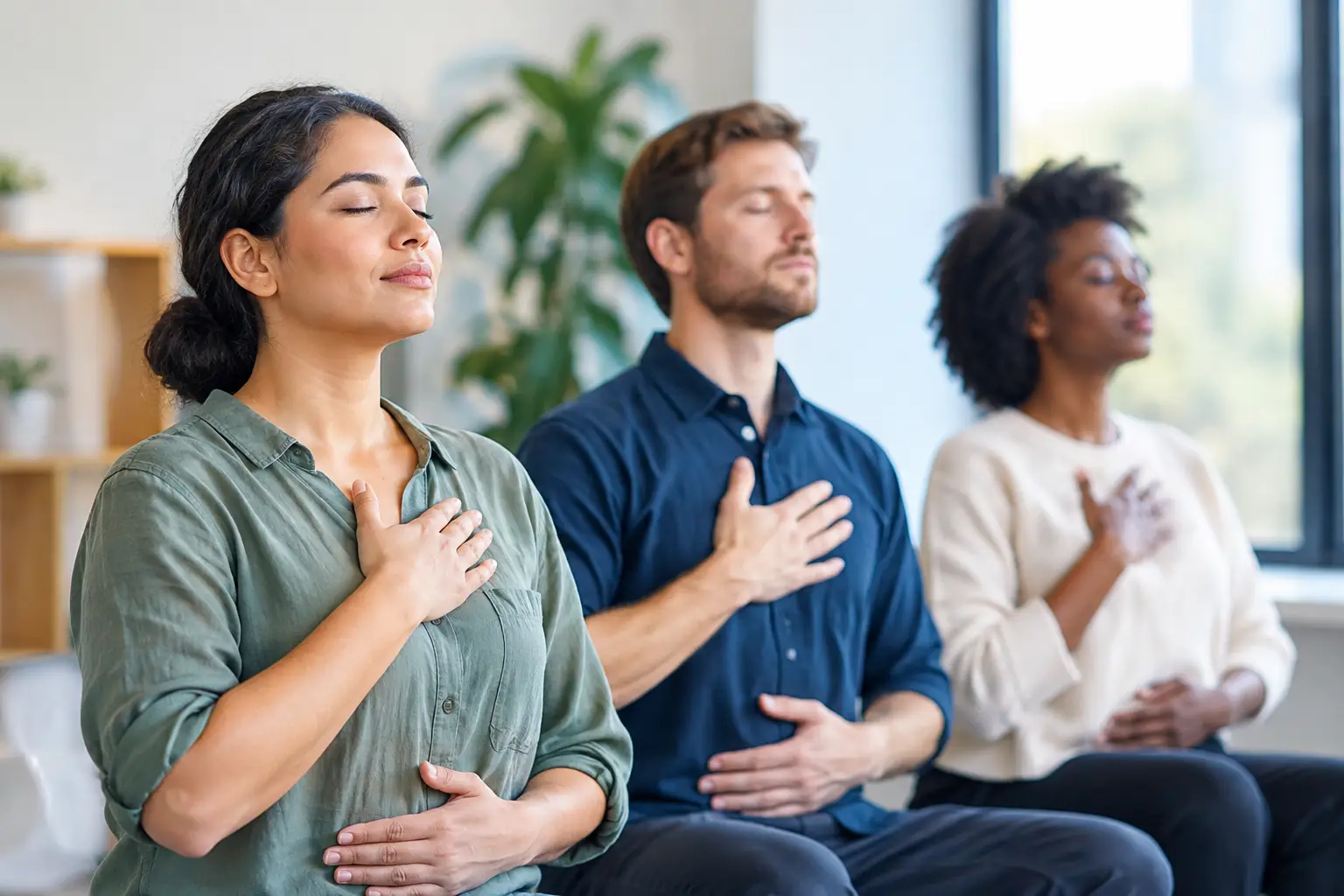
A client arrives carrying the residue of a difficult week: tight chest, racing thoughts, a grief they cannot quite name. You invite them to breathe. But what kind of breathing are you inviting – and what are you trained to hold if emotion, memory or sensation begins to rise? That is where the question of ha breath versus pranayama becomes far more meaningful than a comparison of techniques.
Both can be deeply supportive. Both ask us to meet the breath with attention. Yet they often come from different traditions, use different rhythms, and create very different experiences in the body. For wellness professionals, coaches and emerging facilitators, understanding that distinction helps you choose your words carefully, work within your scope, and offer people the practice they genuinely need.
Ha Breath Versus Pranayama: The Essential Difference
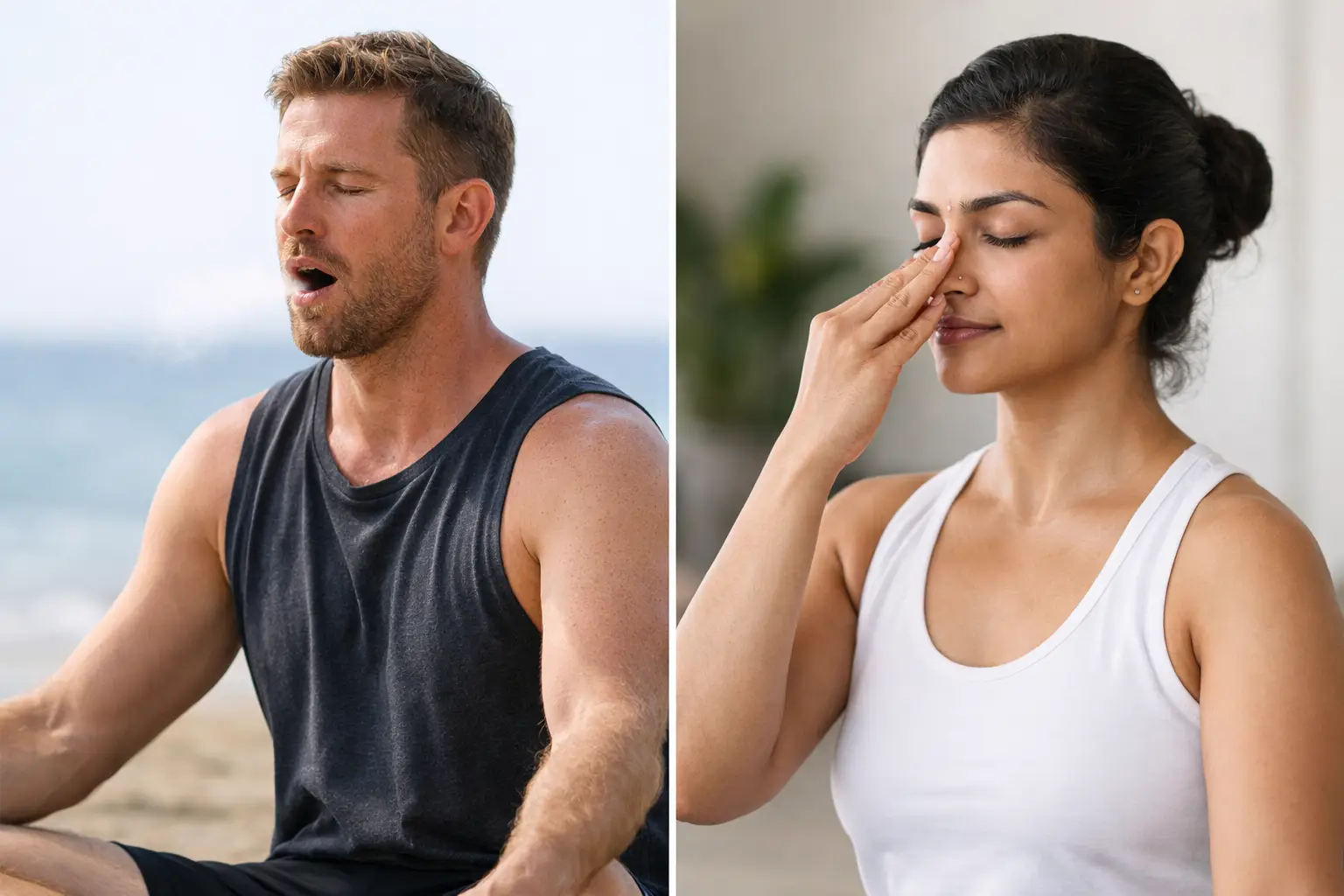
Pranayama is a broad family of yogic breath practices. The word is commonly understood as working with, extending or regulating life force through the breath. Within yoga traditions, pranayama may involve slow breathing, alternate-nostril breathing, breath retention, counted ratios, audible breathing, or energising and calming techniques. It is usually taught as part of a wider yogic path that includes posture, ethics, meditation and self-study.
Ha Breath, as taught within a Hawaiian-inspired breathwork setting, is generally more experiential and expressive in its intention. The audible release of the out-breath, often using the sound “ha”, can create a felt sense of softening, clearing and letting go. Rather than asking the practitioner to perfect a ratio or sustain a retention, it may invite a more embodied encounter with what is present in the heart, belly and nervous system.
That does not make one practice superior to the other. It simply means they are not interchangeable labels. Pranayama describes a wide and ancient field of breath disciplines. Ha Breath names a particular style of conscious breathing and release, shaped by the way it is taught, held and integrated.
The Intention Changes the Experience
Many pranayama practices are designed to regulate energy and attention with precision. A gentle lengthened exhale may settle the system before meditation. A more stimulating practice may build heat and alertness. Breath retentions can cultivate concentration, though they are not suitable for every body or every moment.
Ha Breath often places less emphasis on control and more on permission. The sound itself can interrupt the habit of holding everything in. A fuller exhale can become a physical acknowledgement: I do not need to carry this tension alone. In a carefully held session, that simple act may support emotional expression, presence and connection.
For a client who wants to prepare for meditation, a structured pranayama practice may be exactly right. For someone who feels disconnected from their feelings, voice or body, an expressive breath practice may offer a more accessible doorway. Context matters. So does the person in front of you.
A powerful facilitator does not force every client into their favourite method. They listen. They observe. They know when a quiet, regulated breath is the wiser choice and when a client may benefit from more space to feel and release.
Rhythm, Sound and Breath Retention
The practical differences can be easy to miss because both approaches may look simple from the outside.
Pranayama frequently uses defined mechanics. You may be asked to inhale for a count, exhale for a count, pause after the inhale or exhale, or direct the breath through one nostril at a time. These elements can make a practice beautifully focused. They can also make proper instruction essential, particularly when techniques involve strong breathing, extended holds, or are offered to people with health considerations.
Ha Breath commonly gives the exhale a central role. The audible “ha” creates vibration and expression, and the breath may be paired with movement, intention or a release through the arms and chest, depending on the method being taught. The sound is not merely decorative. For many people, it helps the body move from internal restraint towards outward expression.
Neither approach needs to be dramatic to be effective. Some of the most meaningful shifts happen when a person realises they can exhale fully without bracing for what comes next. The aim is not performance. It is an honest relationship with breath, sensation and self.
Why Facilitation Skills Matter More Than the Label
Calling something pranayama or Ha Breath does not automatically make it safe, trauma-aware or appropriate for a group. The quality of the container matters.
Breathing practices can influence the nervous system and bring forward strong physical or emotional experiences. A participant may feel calm and spacious. Another may feel light-headed, activated, tearful or unexpectedly vulnerable. This is not a reason to fear breathwork. It is a reason to lead with care, clear consent and informed choice.
If you are guiding others, your role is not to promise catharsis or diagnose what their experience means. It is to create a grounded environment where they can stay connected to their own agency. That includes offering options, normalising rest, using language that does not pressure people to push through, and knowing when to refer someone to an appropriate healthcare or mental health professional.
This is especially relevant for yoga teachers, therapists-in-training, bodyworkers and coaches adding breathwork to an existing practice. Your clients may trust you deeply. That trust deserves more than a sequence learned from a short video. It asks for confidence in pacing, contraindications, group dynamics, emotional support and integration.
Choosing the Right Practice for the Moment
A simple question can guide your choice: what does this person need more of right now – regulation, energy, expression, stillness or connection?
Pranayama may suit someone seeking a consistent daily ritual, support before meditation, or a way to refine their awareness through traditional yogic techniques. It can be particularly valuable when taught in a context that honours its roots and gives students time to learn the foundations.
Ha Breath may be a beautiful fit for someone who wants to reconnect with their body, soften stress held in the chest and jaw, or explore a heart-led form of release. It can also bring warmth to a group setting, where shared sound and intentional breathing help people feel less alone.
Yet a client’s stated goal is only part of the picture. Someone who says they want to “break through” may actually need a slower pace and more resourcing. Someone who appears calm may be ready for deeper expression. There is no universal prescription, which is why skilled facilitation is an art as much as a methodology.
Respecting Tradition Without Blurring It
Breath practices carry histories, cultures and spiritual meanings. Pranayama belongs within yogic traditions and deserves to be named and taught with respect rather than repackaged as a generic productivity tool. Hawaiian-inspired breathwork also calls for humility, care and honesty about the lineage and method being shared.
For facilitators, this means avoiding sweeping claims. You do not need to say a practice will heal every wound or transform every life. You can speak truthfully about what breath may support: moments of calm, greater body awareness, emotional release, self-connection and a renewed capacity to meet life as it is.
That honesty builds safer relationships with clients. It also keeps the work sacred in the most practical sense: people are not projects to fix. They are whole human beings learning to listen inward.
From Personal Practice to Professional Path
Your own experience with breath is a valuable beginning, but it is not the whole qualification to guide another person. Personal transformation can inspire a calling. Training gives that calling structure.
A well-rounded facilitator education should help you understand different breathing approaches, practise clear verbal guidance, hold one-to-one and group spaces, and respond calmly when sessions become emotionally charged. It should also help you develop the professional foundations to offer your work with integrity, whether you dream of private sessions, workshops, retreats or a circle for your local soul tribe.
At Nalu Breathwork®, Ha Breath is held alongside conscious circular breathing and other heart-centred methods as part of a wider facilitation approach. The purpose is not to collect techniques. It is to become the kind of practitioner who can meet each breath, each story and each silence with presence.
The next time you consider ha breath versus pranayama, let the question become an invitation: not which practice is best, but what kind of space are you ready to hold? Start with your own breath, listen closely, and let your training grow at the same pace as your responsibility.