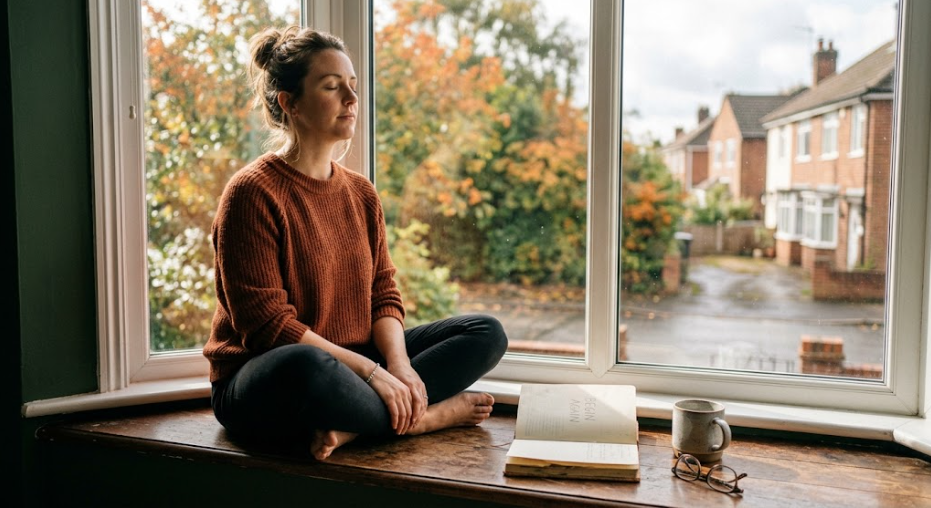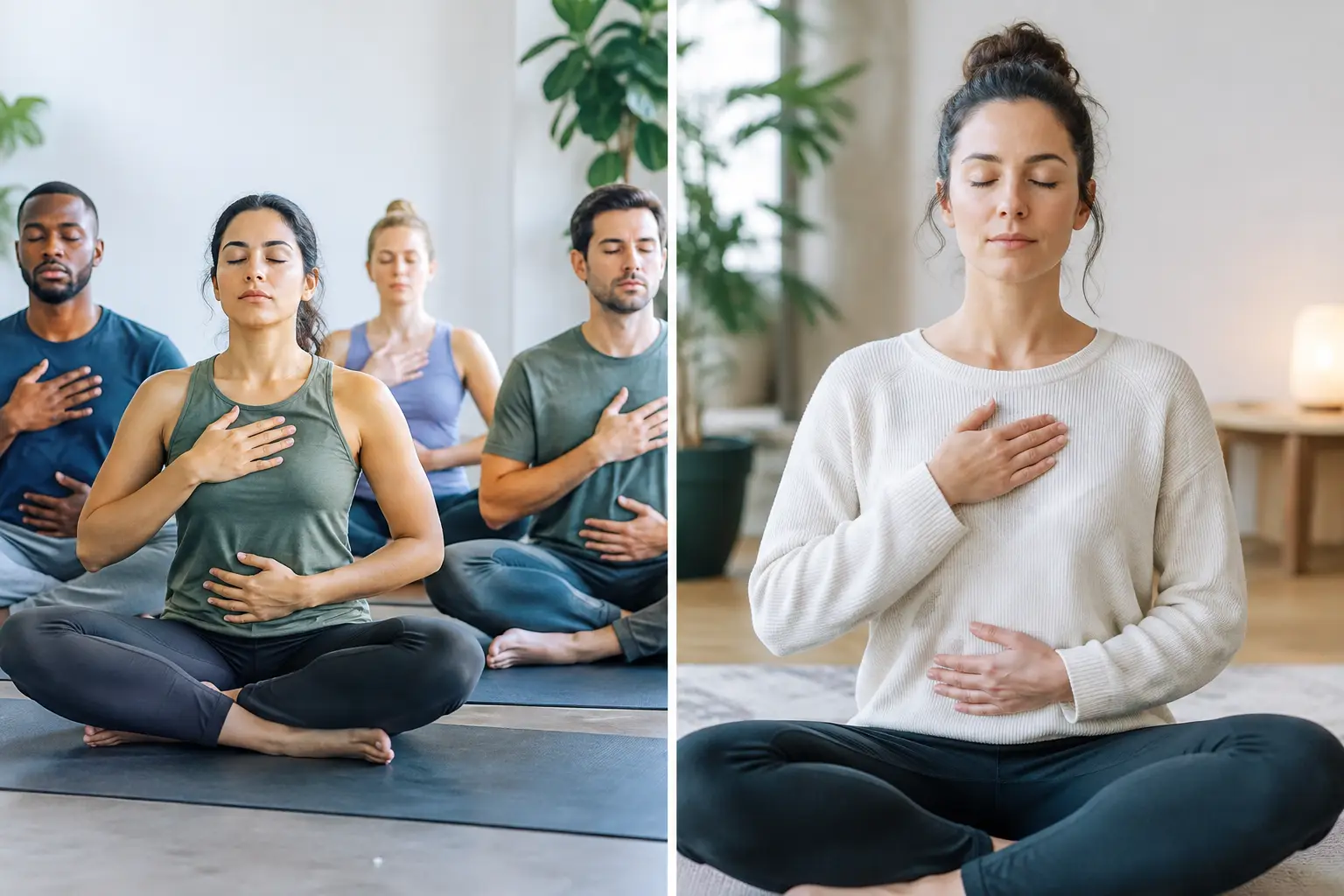
A room full of people breathing together can create a powerful sense of belonging. Yet the client lying on the mat may be moving through grief, anxiety or a life-changing realisation that needs quiet, personal attention. When considering group breathwork versus individual sessions, the most supportive choice is rarely about which format is better. It is about what the person needs, what the facilitator can safely hold, and the intention behind the experience.
For conscious souls called to facilitate, learning both formats is not simply a way to expand a menu of offerings. It builds the discernment to meet people with care – whether you are holding a private healing session, a couples experience, a sacred circle or a retreat room full of your soul tribe.
Group breathwork versus individual sessions: the real difference
Both group and one-to-one breathwork can use conscious circular breathing to support emotional release, self-awareness and a deeper connection to the body. At Nalu Breathwork, Hawaiian-inspired practices such as Ha Breath, Wave Breath and Healing Heart Breath offer different pathways into this work. The breath may be shared, but the journey is always personal.
The key difference is the container. An individual session is shaped around one person’s history, nervous system, intention and pace. The facilitator has more space to observe subtle shifts, adapt the practice and offer focused support before, during and after the breathing journey.
In a group, the container is collective. Participants are held by the rhythm of the room as well as by the facilitator’s guidance. This can be deeply affirming. Someone who has felt isolated in their stress or grief may realise, perhaps for the first time, that they are not alone. At the same time, a group facilitator must balance warmth and presence with clear boundaries, careful pacing and an awareness of the whole room.
Neither setting guarantees a particular outcome. Breathwork is not a performance, and a powerful session does not need to look dramatic to be meaningful. A gentle moment of settling into the body can be just as significant as tears, laughter or a strong emotional release.
What a group session can offer
Group breathwork creates a field of shared intention. When people arrive willing to be present, the collective energy can make it easier to soften the inner guard that many of us carry through daily life. The music, guidance and sound of breathing together can become a reminder: healing does not have to be done alone.
This format works beautifully for workshops, wellness events, retreats, festivals and regular community circles. It can introduce breathwork to people who are curious but not yet ready to commit to private support. It may also be a more accessible option for participants, allowing a facilitator to serve more people while building a heart-led practice.
For experienced participants, group work can create an ongoing sense of Ohana. Seeing familiar faces, sharing intentions and integrating together over time can turn a class into a meaningful community.
Yet connection is not the same as intimacy. In a larger group, there is less time for each person to speak, be witnessed and receive individual adjustments. Some people also find the presence of others distracting, especially if they are new to inner work or feel self-conscious about emotion, sound or movement.
This is why clear expectations matter. Participants should understand the style of breathwork, the practical set-up, their choices within the session and how they can return to a gentler breath if they feel overwhelmed. Good facilitation gives people permission to have their own experience, rather than pressuring them to reach a particular emotional state.
The skills group facilitators need
Holding a group asks for more than leading a beautiful breath pattern. A facilitator needs to track the energy of the room, use their voice with calm authority and create enough structure for people to feel safe while allowing room for authentic expression.
They also need a plan for the moments that cannot be scripted. One participant may become tearful while another needs grounding. Someone may need to step outside. A couple may arrive carrying tension that affects their experience. Competence means responding without abandoning the wider group.
This is one reason structured training matters. When facilitators understand contraindications, consent, nervous system awareness, emotional integration and the practical flow of a session, they can lead with both heart and responsibility.
Why individual breathwork can go deeper
A one-to-one session gives the client the rare gift of undivided attention. The pace can be slower, more spacious and more tailored to what is present that day. Before the breath begins, a facilitator can listen to the person’s intention and notice whether they need energising, calming, grounding or simply room to be heard.
During the session, the facilitator can make responsive choices. Perhaps the client benefits from longer rest periods, simpler instructions or more verbal reassurance. Perhaps a particular breath practice feels supportive, while another does not. This level of attunement is difficult to reproduce in a group setting.
Private sessions can be especially valuable for clients navigating recent loss, a major transition, persistent stress or a deeply personal intention. They can also suit people who are sensitive to group energy, have limited privacy at home, or want to explore breathwork before joining a wider circle.
There is a professional opportunity here, too. One-to-one work helps a facilitator develop the listening and space-holding skills that underpin every other format. You learn to trust pauses, recognise when not to push forward and support integration rather than chasing catharsis.
Still, individual does not automatically mean more effective. Some clients can become overly focused on ‘getting it right’ when all attention is on them. Others may genuinely feel safer with a group around them. The relationship, readiness and quality of facilitation matter more than the size of the room.
Choosing the right format for each client
Instead of asking a client to choose the most intense experience, invite them to choose the most appropriate one. A first-time participant who wants to explore breathwork in a low-pressure way may thrive in a well-held small group. Someone seeking focused support around a specific personal theme may prefer a private session.
A useful conversation begins with intention. Are they looking for community, personal reflection, emotional release, stress support or a regular wellbeing practice? Ask about their previous experience of breathwork and embodiment practices, and make space for any relevant health considerations. Clear screening and informed consent are acts of care, not barriers to transformation.
It can also be helpful to think in stages. A client may start with individual sessions to build trust in the practice, then join group circles when they feel ready. Another may discover breathwork at a retreat, then choose private support to integrate what surfaced. Their needs can change, and your offerings can honour that.
For facilitators, confidence comes from range
If you are building a breathwork practice, learning to lead both groups and individuals gives you a more sustainable way to serve. You might hold private sessions during the week, lead a monthly community circle, collaborate with a yoga teacher or create a retreat experience. Each format strengthens a different part of your craft.
Group work teaches you to create an intentional atmosphere, guide a collective journey and communicate with clarity. One-to-one work refines your presence, observation and ability to tailor support. Couples sessions add another layer, inviting you to hold connection, communication and two individual experiences at once.
The goal is not to become everything to everyone. It is to know your scope, train thoroughly and create sessions you can hold with integrity. With a grounded method and the right preparation, breathwork can become a meaningful professional pathway – one that supports you to run paid sessions, workshops, retreats and sacred circles with confidence.
Let the container serve the healing
A group can remind someone that they belong. A private session can help them hear themselves without distraction. Both can offer profound moments of peace, freedom and reconnection when they are led with skill, consent and compassion.
As you grow into this work, let your question be simple: what container would help this person feel most safe, seen and supported to meet their own breath today? That is where heart-centred facilitation begins.