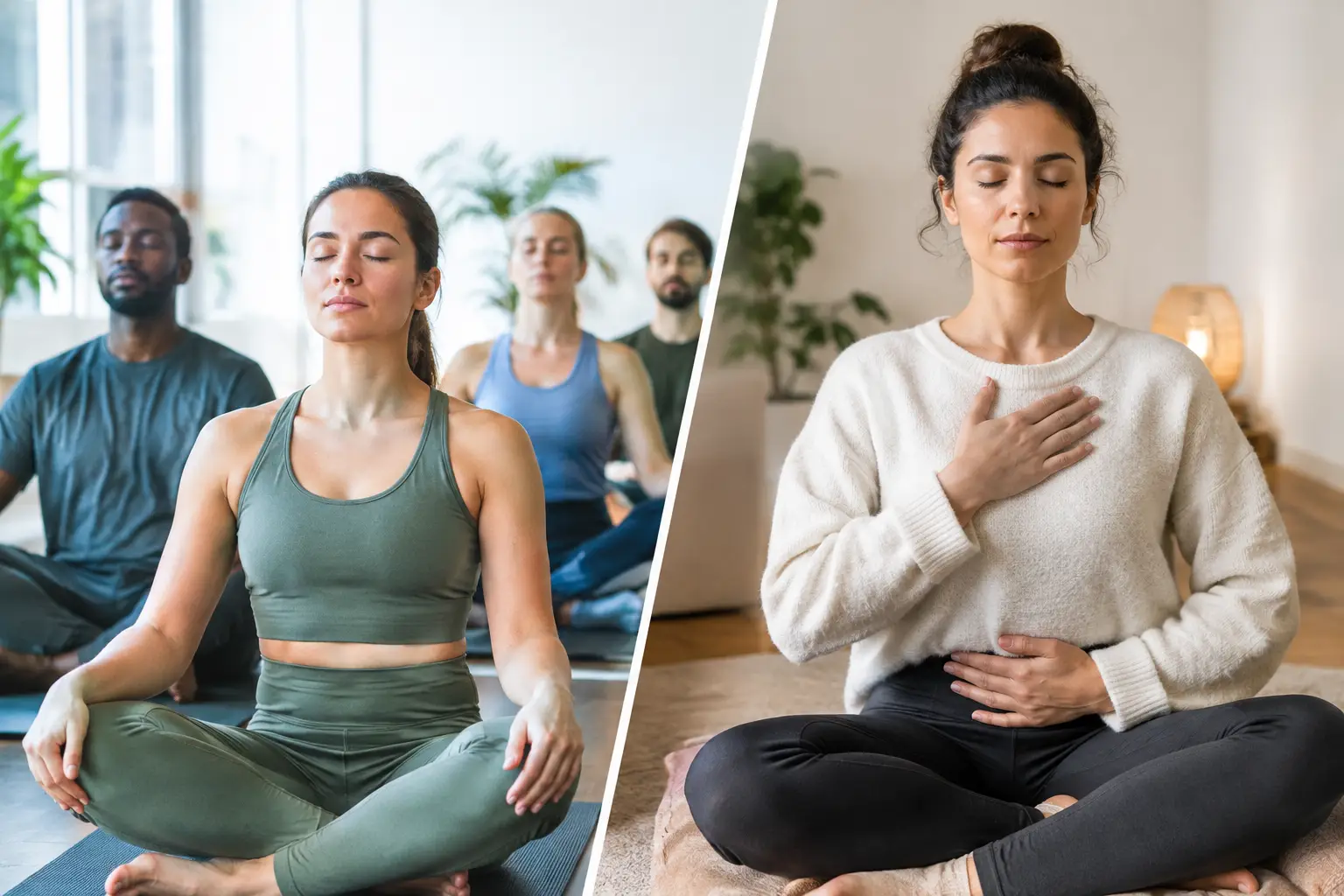
A client arrives talking quickly, shoulders lifted, eyes fixed on the next thing they need to do. No amount of advice will bring them fully into the room. This is where the benefits of Ha Breath can become tangible: the breath offers a direct, embodied route back to presence, feeling and connection.
Ha Breath is not about forcing a breakthrough or performing relaxation correctly. It is a gentle, intentional practice that invites awareness into the body and creates space around what has been held in. For wellness professionals, it can also become a beautiful way to help clients move from thinking about their experience to meeting it with compassion.
What is Ha Breath?
Within the Nalu Breathwork approach, Ha Breath is a Hawaiian-inspired, heart-led breath practice that supports grounding, energetic renewal and emotional connection. It is often used to help a person arrive in their body before moving into deeper breathwork, reflection or healing work.
The word ha carries deep cultural and spiritual meaning in Hawaiian contexts, often connected with breath and life force. It deserves respect rather than casual borrowing. A responsible facilitator does not claim to represent all Hawaiian traditions or use spiritual language as decoration. They learn the method they have been trained in, name its inspiration with care, and lead from humility.
The practice may involve a steady, conscious rhythm of inhaling and exhaling, sometimes with sound, touch, visualisation or an intention held at the heart. The precise experience depends on the person, the setting and the way the session is facilitated. For some, it feels calming. For others, it may bring tears, warmth, memories or a surprising sense of spaciousness.
7 benefits of Ha Breath in a supported practice
1. It gives the nervous system a cue to slow down
Stress is not only a story in the mind. It appears as a clenched jaw, shallow breathing, a racing heart and a body prepared for the next demand. Slowing and lengthening the breath can offer a cue of safety, particularly when it is paired with an unhurried voice, clear consent and a grounded environment.
This does not mean every person will feel instantly calm. Someone who has spent years disconnected from bodily sensation may initially feel more aware of discomfort. The role of the facilitator is not to promise relaxation, but to make room for the client’s honest experience and adjust the pace when needed.
2. It brings attention out of the head and into the body
Many clients can explain their patterns with great insight yet still feel cut off from their needs. Ha Breath can create a pause between the stream of thoughts and the physical reality beneath them. As breath, sound and attention come together, people may notice where they are bracing, grieving, resisting or longing for rest.
That shift is valuable for coaches, yoga teachers, bodyworkers and therapists-in-training alike. Rather than trying to find the perfect question, you can invite a moment of felt awareness. The body often offers information that analysis alone cannot reach.
3. It creates a kinder relationship with emotion
Emotions do not always need to be fixed. Sometimes they need a safe witness, time and permission to move. A heart-centred breath practice can help a client stay close to sadness, anger or tenderness without immediately pushing it away or turning it into a problem.
Emotional release is possible, but it should never be treated as the measure of a powerful session. A quiet session in which someone senses their feet, softens their chest and says, “I can breathe again,” may be deeply meaningful. The goal is integration, not intensity for its own sake.
4. It supports intention with embodied action
People often enter a session with an intention: to let go of a difficult week, reconnect with their voice, make peace with a transition or open to more joy. Ha Breath gives that intention a physical anchor. Each breath becomes an opportunity to practise returning to what matters.
For a group facilitator, this can be especially effective at the beginning of a workshop or sacred circle. A shared breath helps participants cross the threshold from everyday busyness into a more present, connected space. It can build cohesion without demanding that anyone share more than they are ready to share.
5. It helps cultivate heart connection and compassion
The heart-centred quality of Ha Breath is not about bypassing reality with positivity. It is about meeting reality with more gentleness. When a person places attention on the heart area and breathes with an attitude of care, they may find a little more capacity for themselves, their relationships and the season of life they are in.
This matters in one-to-one work and in couples sessions. Before people can communicate differently, they often need help coming out of defence. Breath can create a small but meaningful pause, allowing each person to notice what is happening within before reacting to the other.
6. It can deepen a wider breathwork journey
Ha Breath may be a complete short practice, but it also works beautifully as preparation for conscious circular breathing or another deeper process. It helps establish contact with the body, the room and the facilitator before a more activating practice begins.
That preparation is a safety consideration, not merely a nice ritual. A skilled facilitator tracks readiness, explains what will happen, reminds participants of choice and offers options throughout. Some clients will benefit from a gentle, grounding practice and may not be suited to more intense breathing on that day. Good facilitation honours that distinction.
7. It gives facilitators a versatile professional tool
For purpose-led practitioners, the benefits extend beyond personal practice. Ha Breath can be adapted thoughtfully for individual sessions, couples work, workshops, retreats and groups. It offers an accessible entry point for people who are curious about breathwork but uncertain about a longer or more emotionally charged experience.
Versatility should not mean improvising beyond your competence. To lead breathwork professionally, practitioners need clear training in session structure, contraindications, consent, emotional support, aftercare and appropriate referral. A warm heart is essential, but so are boundaries, skill and the confidence to slow down when someone needs more support.
How to experience Ha Breath with care
Start simply. Sit or lie somewhere you feel physically secure. Let your shoulders soften and bring one hand to your heart, if that feels comfortable. Take a few natural breaths before gently inviting a fuller inhale and an easy exhale. There is no prize for breathing bigger, louder or longer. Let the breath be sustainable.
You might hold an uncomplicated intention such as, “I am here,” or “I can meet this moment gently.” Stay curious about sensation rather than chasing a particular state. If you feel dizzy, overwhelmed, numb or unsettled, return to normal breathing, open your eyes, feel your feet on the floor and orient to the room around you.
People with a history of trauma, panic, significant mental health concerns, pregnancy-related considerations or relevant medical conditions should seek appropriate professional guidance before undertaking more intensive breathwork. Breathwork can complement therapeutic care, but it is not a replacement for medical, psychological or crisis support.
From personal practice to holding space for others
If Ha Breath speaks to you, begin by practising it regularly enough to know its texture in your own body. Notice what helps you feel grounded, what brings resistance and what supports you to return to centre. That personal relationship is part of what makes your facilitation authentic.
Then learn to hold the practice with structure and responsibility. Your clients and community do not need you to manufacture a transformation. They need a calm, capable presence that respects their pace, invites their agency and knows that even one honest breath can be a meaningful beginning.
For the conscious soul called to serve, that is the quiet power of the breath: not to take people away from themselves, but to help them come home.